
Custom Recycled Polyester Hats

Trusted By 300+ Global Brands
Custom Recycled Polyester Hats
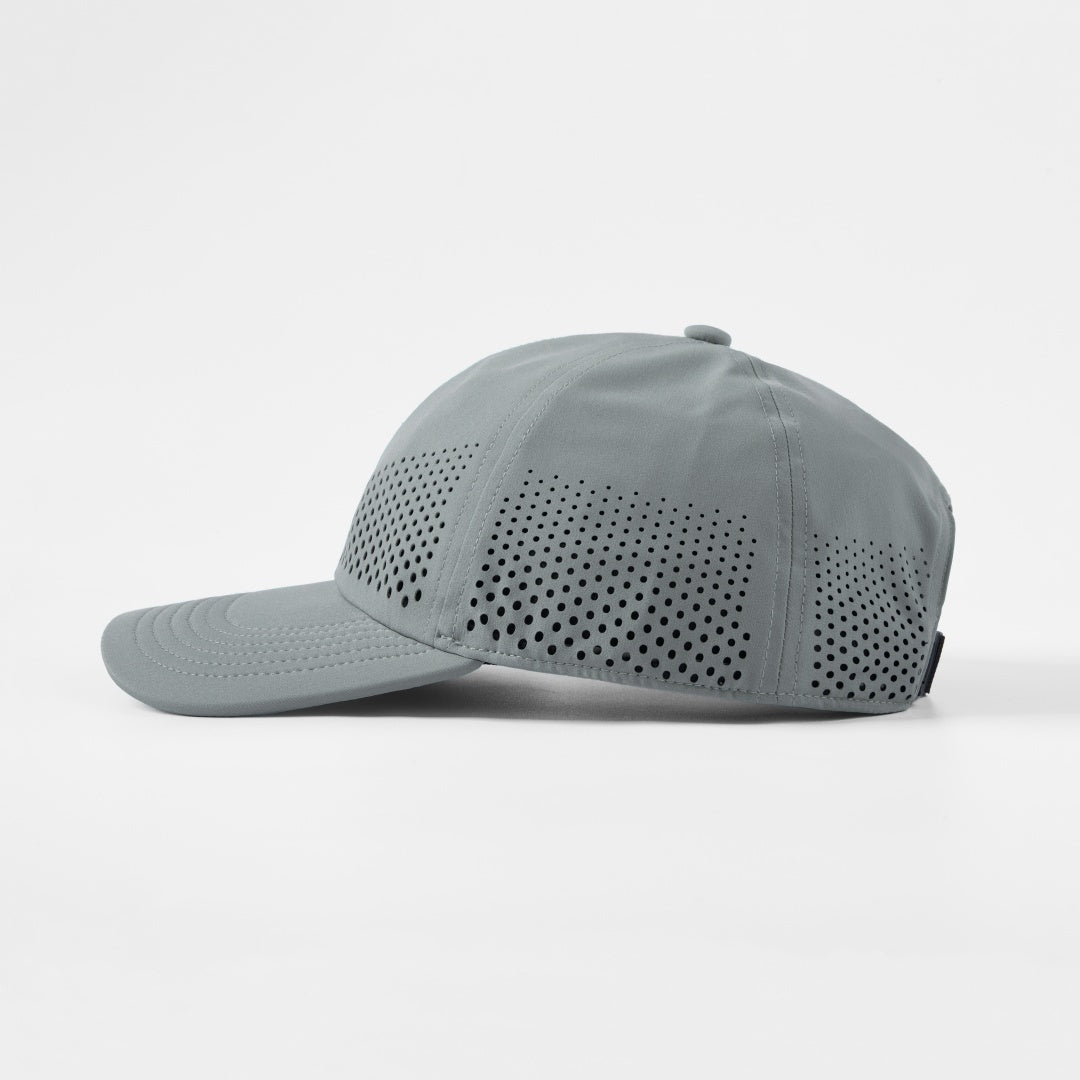
Develop performance caps, baseball caps, bucket hats and beanies using recycled polyester fabrics or custom blends.GRS and RCS documentation routes are available for eligible orders. Start with a reference hat, intended use and quantity.


Decisions Behind a Better Recycled Polyester Hat
“Premium Merino” leaves too much open. Define the fibre, construction, blend, care and decoration before sampling.

Recycled Content and Product Claims
Start with the exact recycled polyester percentage and the component being described.
Possible material directions include:
- 100% recycled polyester
- Recycled polyester and virgin polyester
- Recycled polyester and elastane
- Recycled polyester and organic cotton
- A project-specific fibre blend
The shell fabric, mesh, sweatband, sewing thread, tapes, labels and other components may contain different recycled percentages.
A shell made from 100% recycled polyester does not automatically make the complete hat “100% recycled.”
Before sampling, confirm:
- Recycled percentage
- Pre-consumer or post-consumer source
- Material placement
- GRS or RCS requirement
- Transaction Certificate requirement
- Intended product label
- Intended marketing claim
Put in the specification: Exact fibre composition, component placement, recycled source, certification route and required documents.


Why Brands Consider Recycled Polyester Hats
Recycled polyester can support a documented material program while providing several fabric and product directions.
Documented Recycled Content
GRS or RCS documentation can verify eligible recycled material through the required supply chain.
The final claim must match the material, components and order documents.
Performance Fabric Options
Recycled polyester can be developed as twill, Taslan, ripstop, microfiber, mesh, fleece or knitted yarn.
Performance still depends on the complete fabric specification.
Caps and Beanies
The material can be used for lightweight running caps, structured baseball caps, bucket hats, trucker hats and recycled polyester beanies.
100% or Custom Blends
Projects can use 100% recycled polyester or blends developed around stretch, structure, hand feel, performance and target cost.
GRS and RCS Options for Recycled Polyester Hats
A recycled polyester claim should match the material, certified production route and order documents.
FOREMOST can review GRS- or RCS-documented materials for eligible projects. The appropriate route is confirmed during material selection.
Responsible Wool Standard
The relevant Textile Exchange standard for sheep wool, including Merino.
- Fibre:Wool from sheep, including Merino wool.
- Farm scope:Animal welfare, land management and social requirements.
- Supply chain:Certified sites and chain-of-custody controls follow the material through the supply chain.
- Best fit: Merino baseball caps, beanies, outdoor hats and wool-blend programmes.
Check the Claim Before Production
- Ask for a valid scope certificate and confirm that the supplier, site and material are covered.
- Confirm the order-level transaction or traceability documents required for the claim.
- Check current wording, logo rules and certification-body approval before publishing.
- Do not assume every material from a certified supplier is certified.
- RWS does not define micron, softness, GSM, shrinkage, pilling or finished-hat performance.
Do not confuse RWS with RMS: RMS applies to mohair from Angora goats and does not certify Merino wool. For a Merino–mohair blend, verify each claimed fibre separately.

WHY CHOOSE US
Built At Scale. Tailored to Fit.

500+
Global Brands Served
From streetwear labels to outdoor giants
5,000+
Stock Styles
Ready to decorate, customize, or ship
2M+ pcs / month
Production Capacity
Across 5 owned facilities in China, Cambodia & Vietnam
MOQ from 48 pcs
Flexible Order Sizes
Built for projects of every scale
7-15 Day
Sampling Turnaround
From confirmation to physical sample
Certified
Certified & Compliant
BSCI·WRAP·OEKO-TEX 100·GRS·ISO 9001·GOTS
Three Recycled Polyester Hat Development Routes

Blank Hats Wholesale
Premium blank baseball caps with low MOQ and fast fulfillment.

Custom Embellishment
Flat embroidery, puff print, woven patches, leather applications, and more.

Full Custom Design
Bespoke patterns, trims, materials, labels, and packaging manufactured at scale.
Frequently Asked Questions
What is recycled polyester?
Recycled polyester is polyester made using qualifying reclaimed material. Common sources include post-consumer plastic packaging and pre-consumer manufacturing waste.
The source and recycled percentage should be confirmed for each fabric.
What parts of a hat can use recycled polyester?
Recycled polyester may be used in the shell, mesh, sweatband, lining, sewing thread, tapes, labels, fleece and knitted yarn.
Availability depends on the product construction and certification route.
Does 100% recycled polyester fabric mean the whole hat is 100% recycled?
No. The statement may apply only to the shell fabric.
Other components can contain different materials and recycled percentages, so the scope of the claim must be clearly stated.
Can FOREMOST manufacture GRS- or RCS-certified recycled polyester hats?
Certified materials and production routes may be reviewed for eligible orders.
Availability depends on the fabric, recycled percentage, suppliers, processors, order quantity and required certification scope.
Can you provide an order-level Transaction Certificate?
A TC may be available when the complete material and production chain meets the applicable requirements.
If a TC is required, state this before material selection and sampling.
Can recycled polyester hats be embroidered?
Yes. The embroidery construction should be tested on the selected fabric.
Lightweight or coated fabrics may require changes to the backing, stitch density and thread tension.
Can heat transfers be applied to recycled polyester?
Yes, but temperature, pressure, adhesion and dye migration should be tested.
Excessive heat can create shine, press marks or fabric distortion.

Have a project in mind?
Turn “Premium Merino” into a Production Specification
Share your reference hat, target use, artwork, quantity and destination market. We will identify the material, construction and testing decisions required for sampling.