
FIT & MEASUREMENTS
Better Fit Starts with Better Specifications
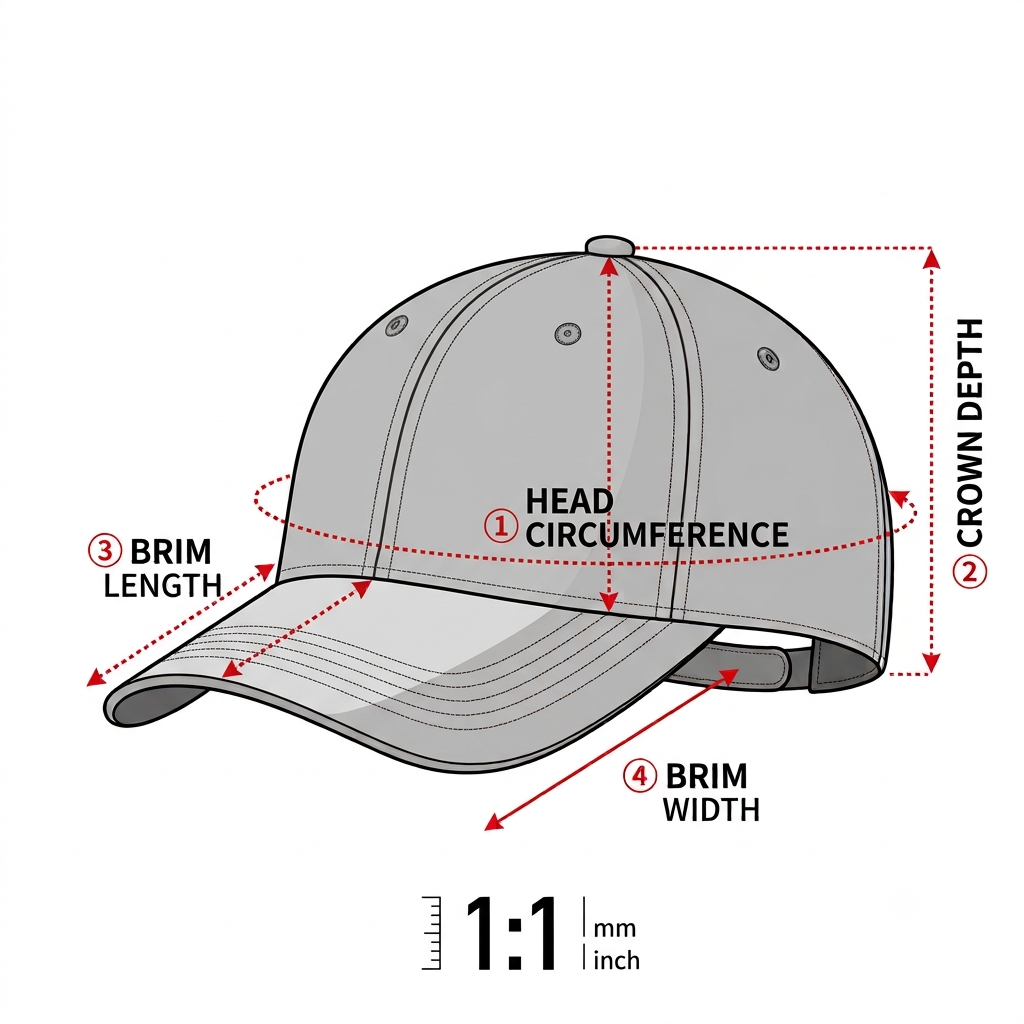
Sizing affects how a hat sits, looks and performs. We define the correct measurement points, crown depth, opening shape and intended wearing position together. Final dimensions are confirmed through physical sampling.
- Measure: Define head circumference, crown depth, opening shape and the intended wearing position.
- Build: Match the sizing method to adjustable, fitted, knitted, felt
or structured headwear. - Approve: Confirm comfort, proportions and tolerances on a physical
sample before bulk production.
A single size chart cannot be applied to every hat construction. The correct measurements must be defined around the product.
FABRICS & MATERIALS
Specify the Material, Then Verify the Performance
Material selection affects structure, comfort, decoration, performance and cost. Fibre content alone does not define how a finished fabric will perform. We help specify the construction, weight, finish and testing requirements for the intended product. Colour, hand feel and surface finish are confirmed against physical swatches during sampling.
Cotton & Cotton Blends
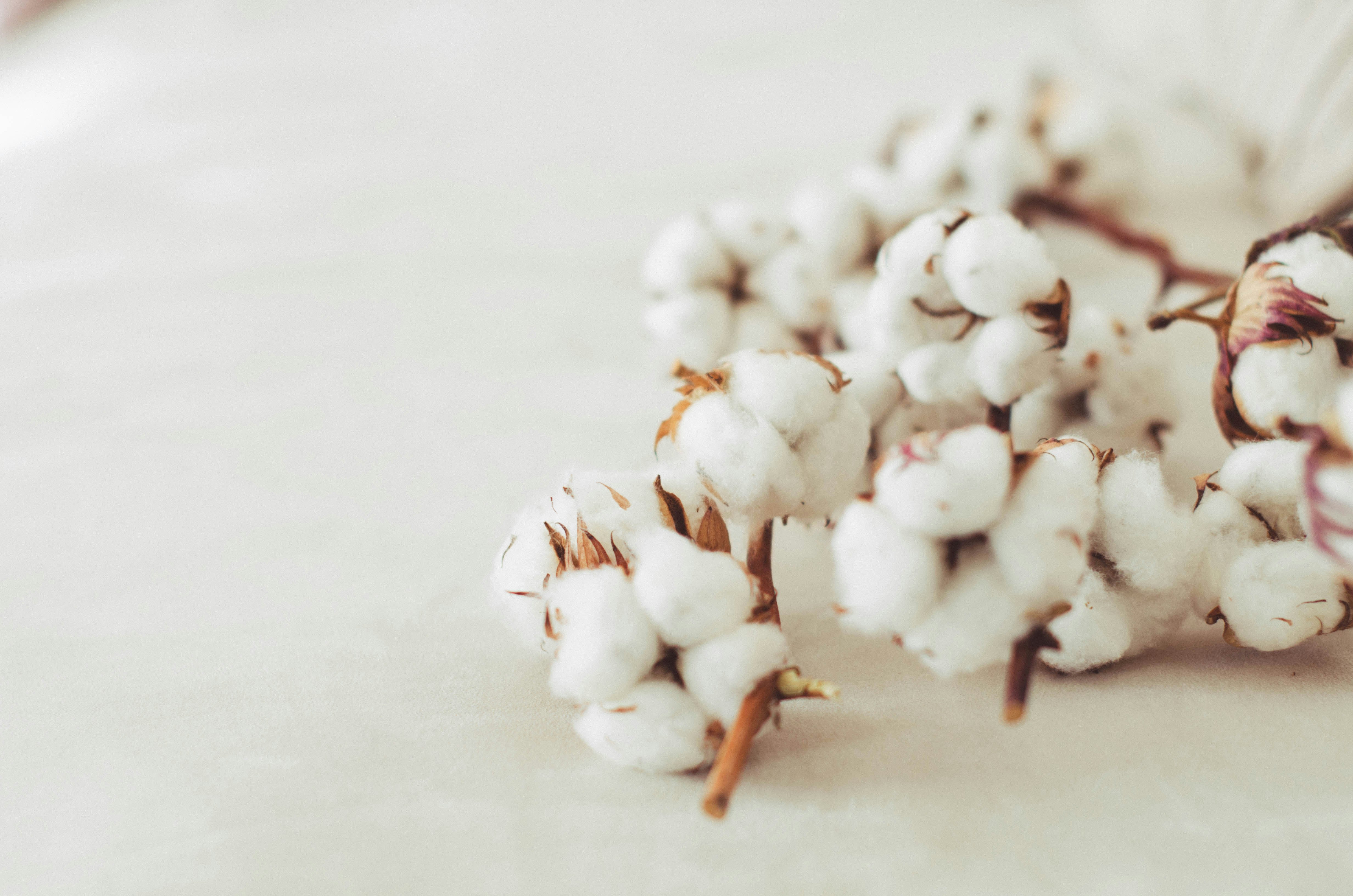
Breathable and versatile for lifestyle, workwear and washed finishes. Specify the fibre content, weave, finished weight and wash process rather than relying on descriptions such as light or heavy.
VIEW COTTON GUIDE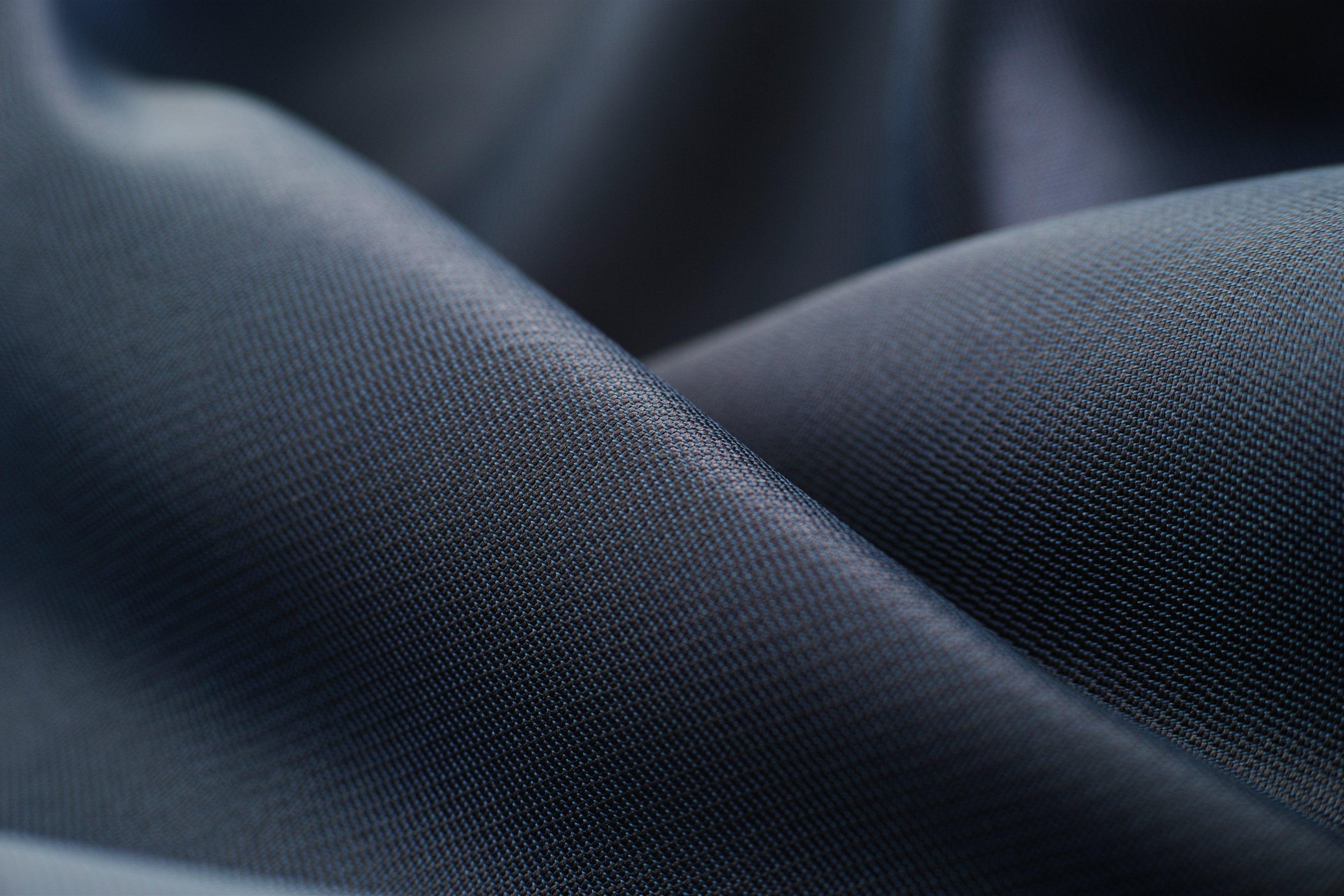
Polyester & Performance Fabrics
Stable, lightweight and suitable for printing, outdoor and quick-drying applications. Airflow, moisture management and drying performance depend on the fabric construction and finish.
VIEW POLYESTER GUIDE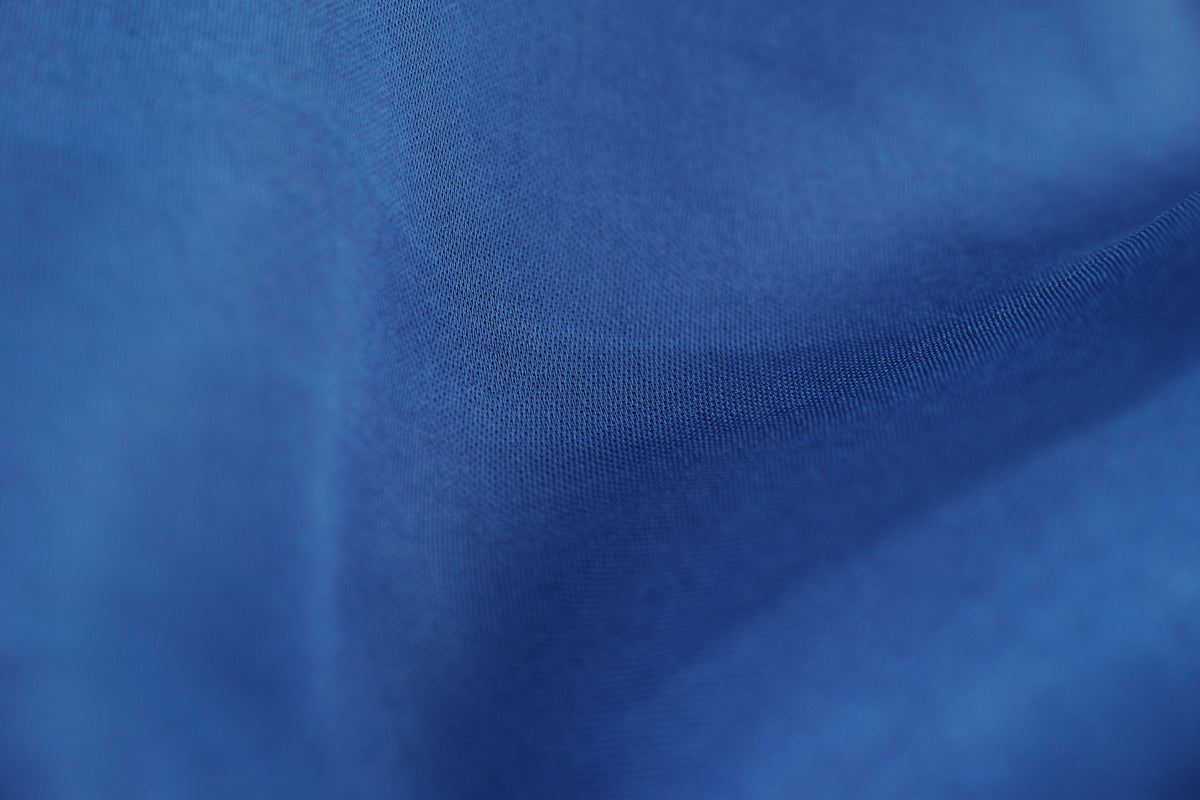
Nylon & Lightweight Fabrics
Lightweight, strong and abrasion resistant, with options for soft, crisp or technical finishes. Water resistance, breathability and heat sensitivity must be confirmed on the finished fabric.
VIEW NYLON GUIDE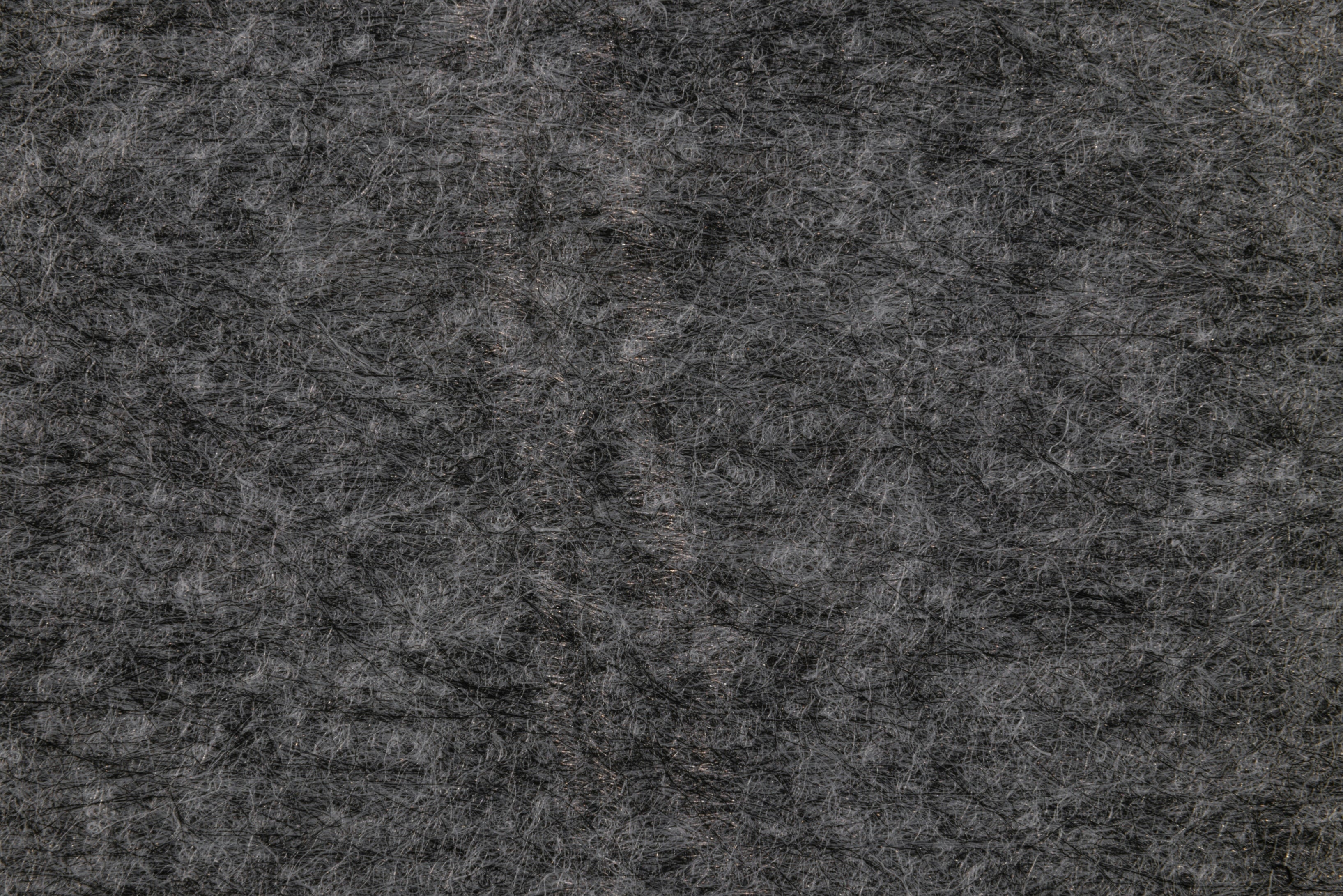
Wool & Felt Materials
Wool provides warmth, insulation and natural texture for knitted, woven and formed headwear. Felt performance depends on fibre composition, density, forming method and surface finish.
VIEW WOOL & FELT GUIDE
Straw, Raffia & Braided Materials
Natural and engineered braids provide lightweight structure and distinctive texture. Material type, braid width, construction and moisture sensitivity affect shape, durability and cost.
VIEW STRAW MATERIAL GUIDE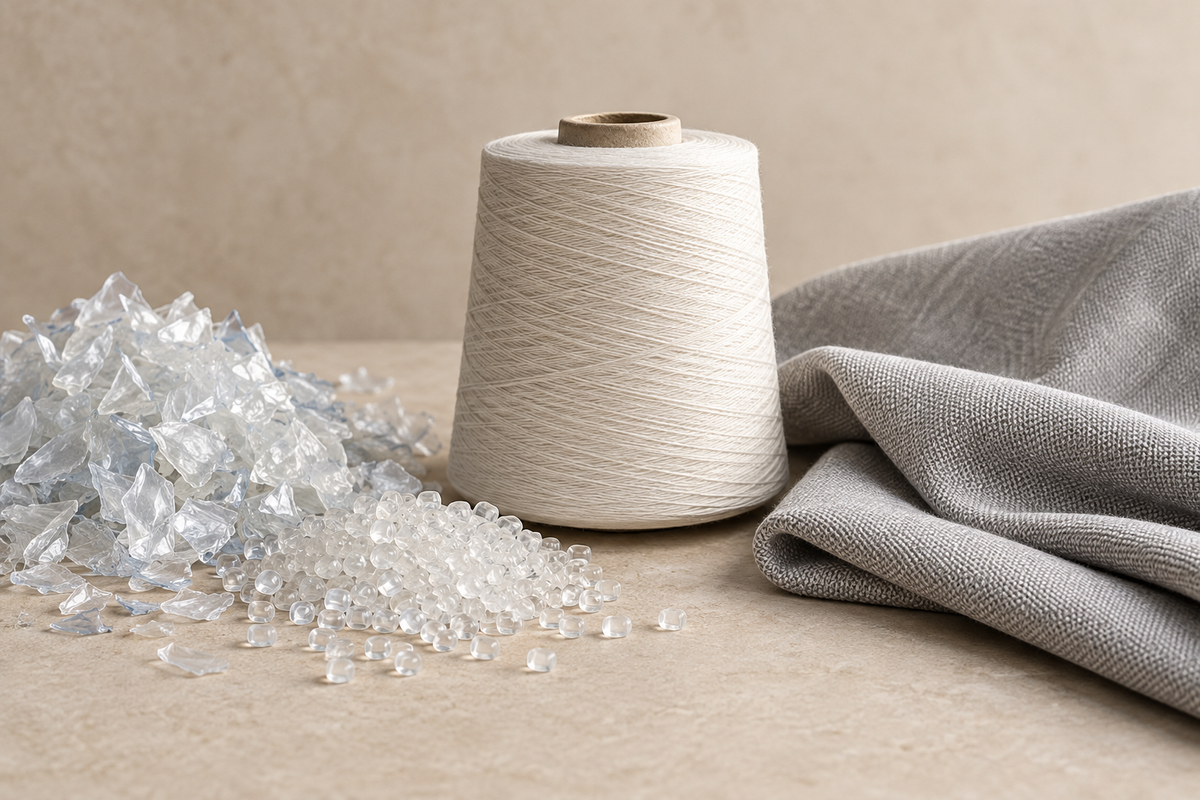
Recycled Polyester & Certification
Recycled polyester may be used across shell fabrics, mesh, sweatbands, linings, yarns and trims. Confirm the recycled percentage, claimed product scope, certification route and traceability documents before sampling.
VIEW RECYCLED MATERIAL GUIDEMaterial availability changes by colour, weight, finish and order quantity. We confirm workable options for the specific project rather than relying on a generic material list.
HEADWEAR CONSTRUCTION
Define the Construction Before Finalising the Specification
Construction determines shape, comfort, production method and decoration compatibility. We assess the intended design and recommend a workable construction before materials, artwork and trim specifications are locked.
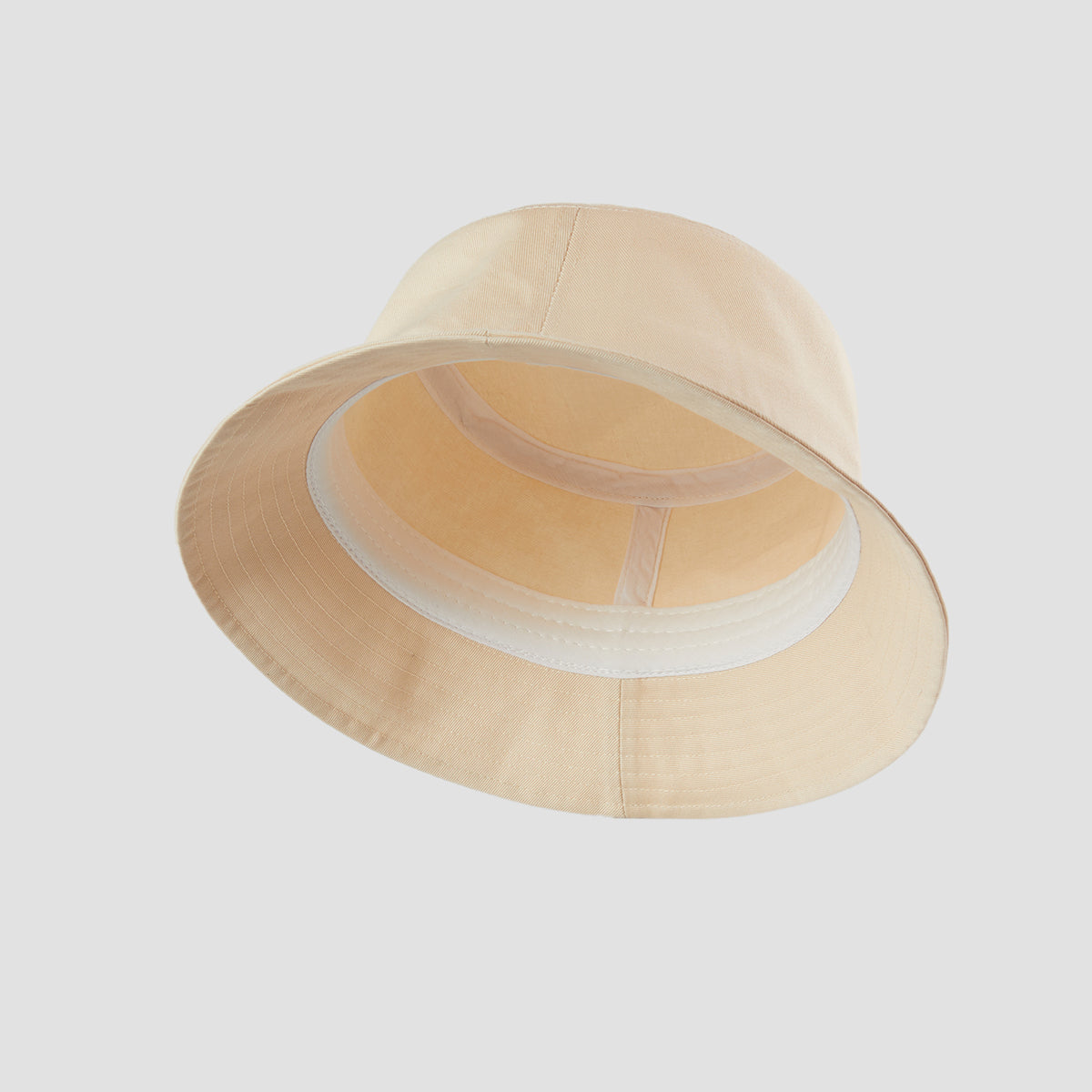
Cut-and-Sew Headwear
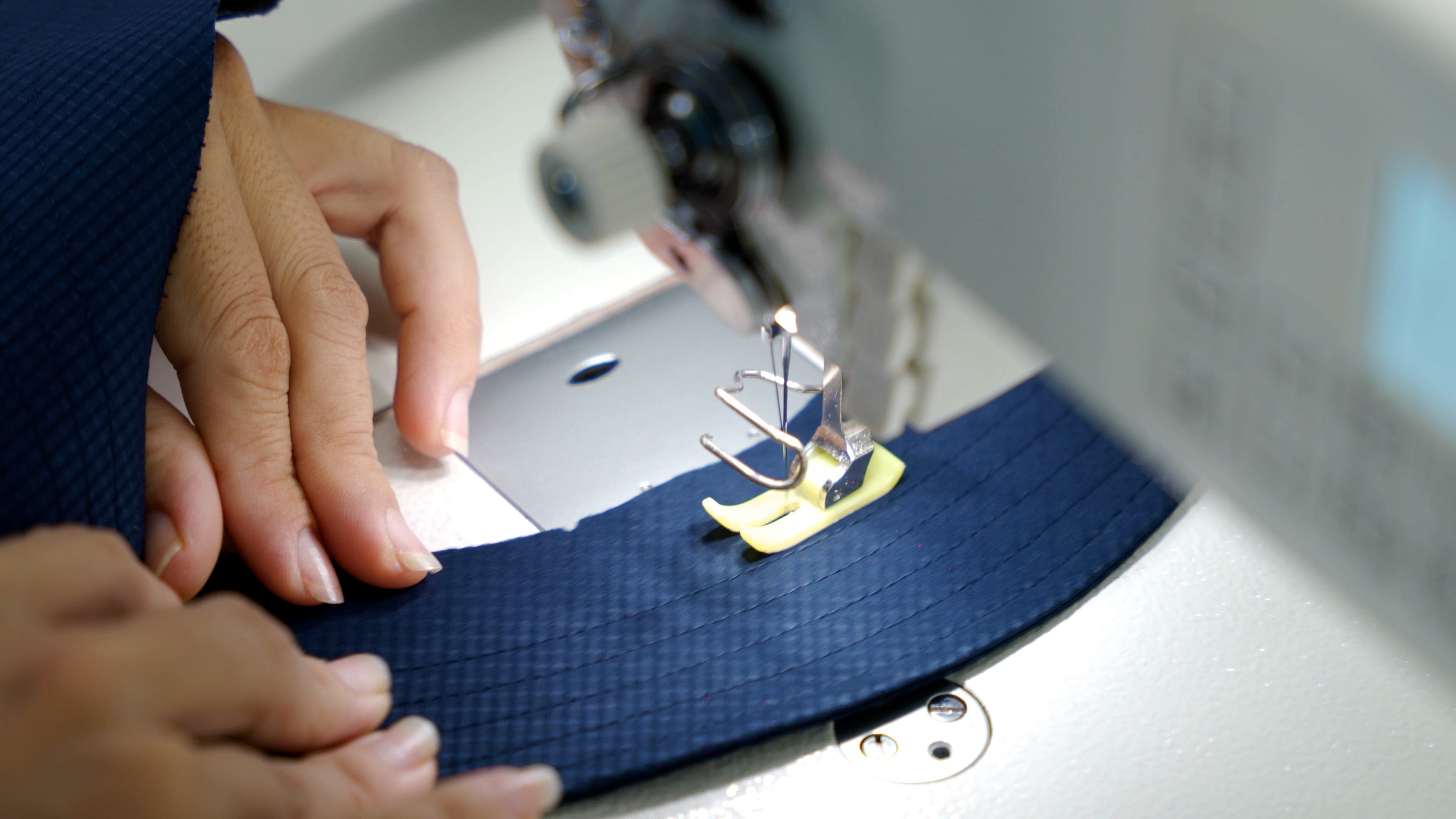
Fabric panels are cut and sewn to create caps, bucket hats, military caps and other structured or unstructured styles. Panel layout, seams, support materials, visor construction and internal components determine the final shape.
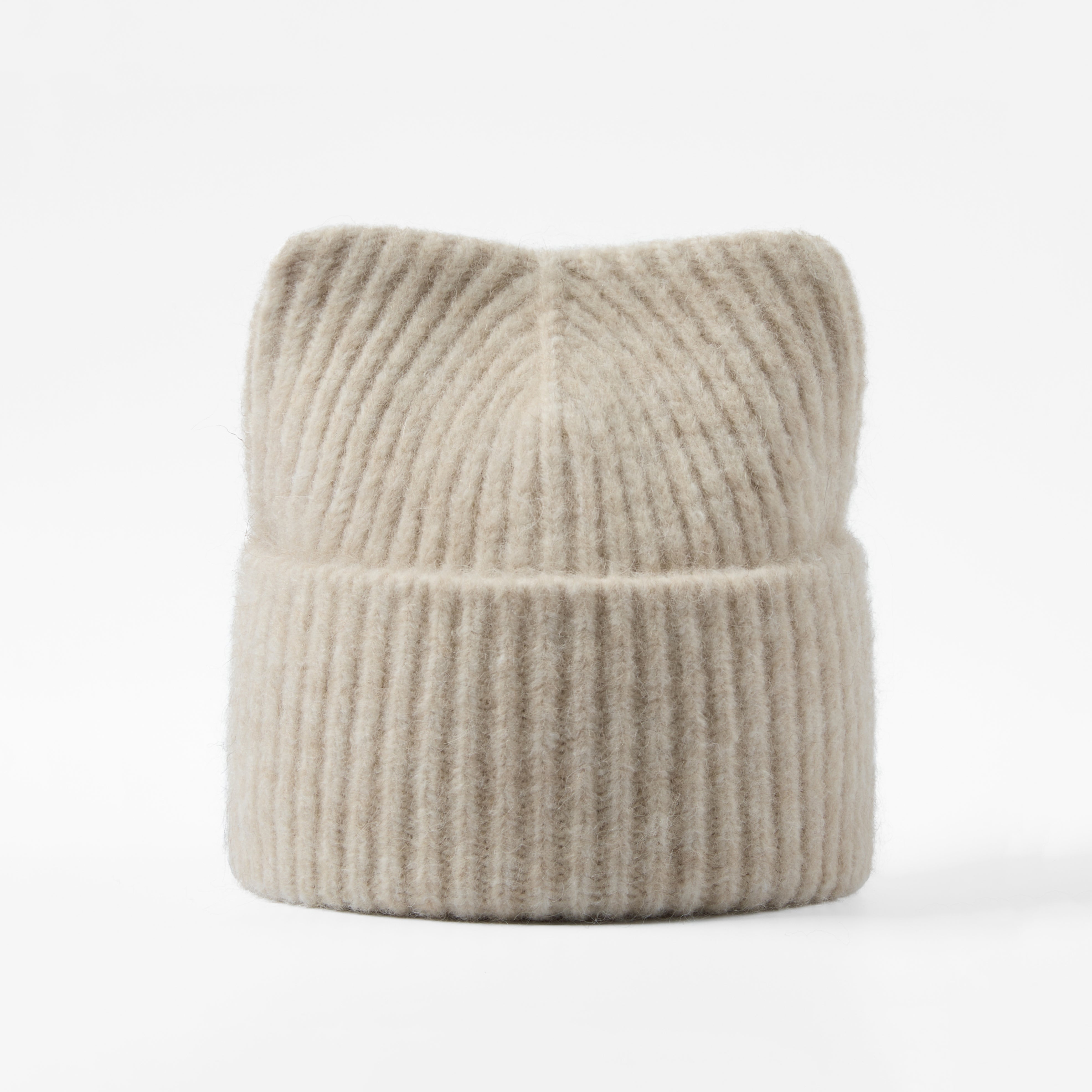
Knitted Headwear
Yarn is formed into flexible looped structures commonly used for beanies, balaclavas and cold-weather headwear. Yarn type, gauge, stitch structure, stretch and recovery affect fit, warmth and shape retention.
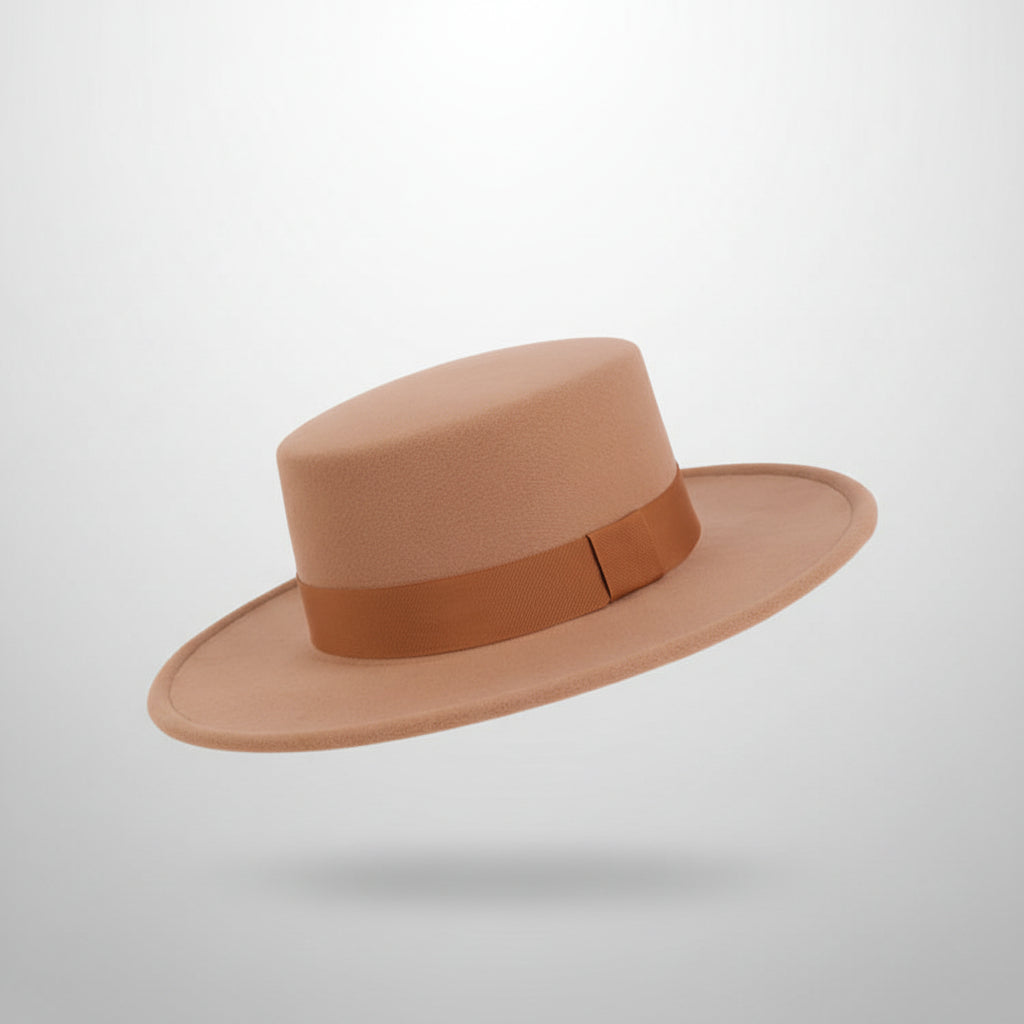
Blocked Felt Hats
A felt hat body is steamed, blocked, shaped and finished to create a firm, largely seamless form. Fibre composition, density, block shape, brim treatment and surface finish affect appearance, durability and cost.
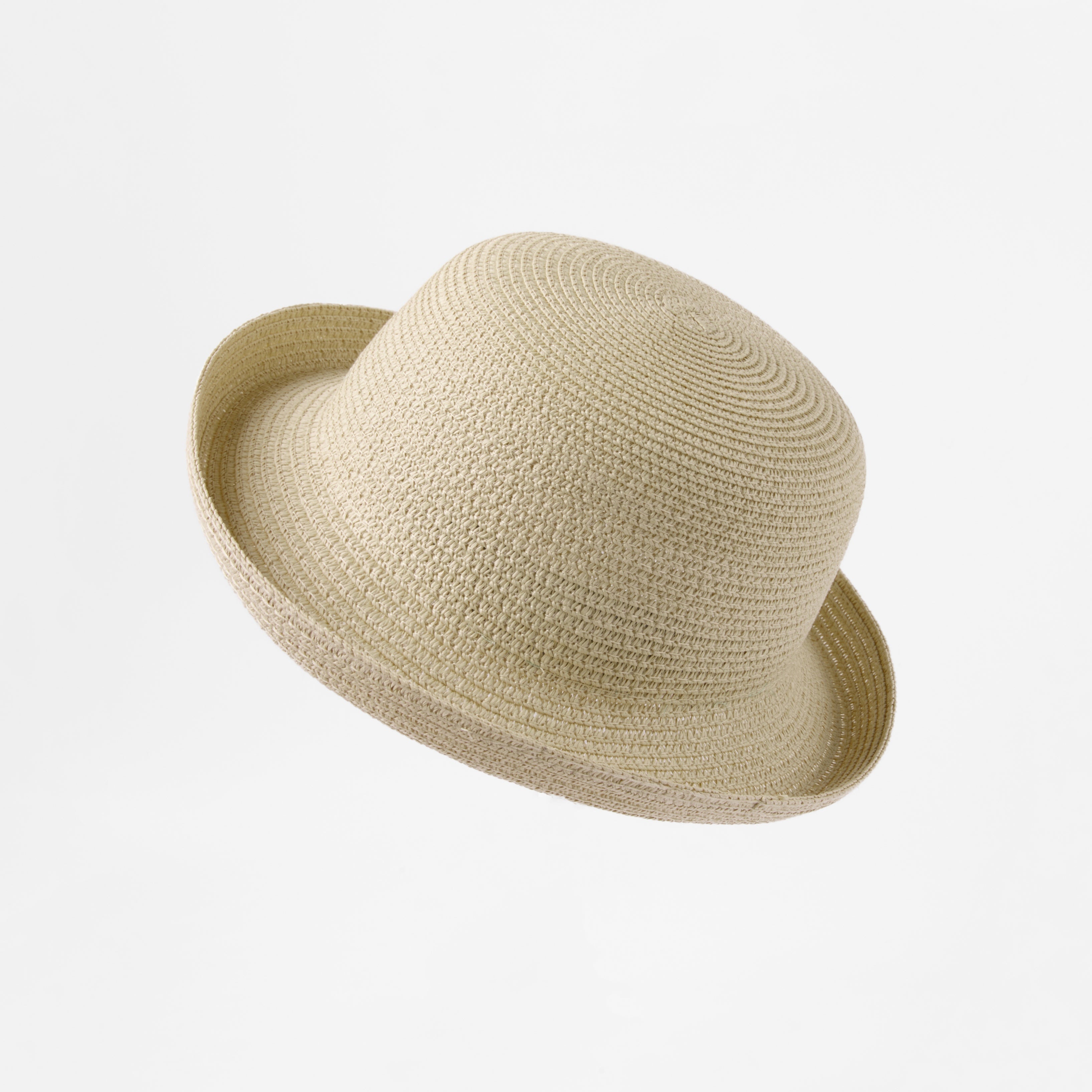
Straw & Braided Headwear
Natural or engineered materials may be woven, braided, sewn or blocked into lightweight hat shapes. Material type, braid width, weave, joining method and edge construction affect texture, flexibility and shape retention.
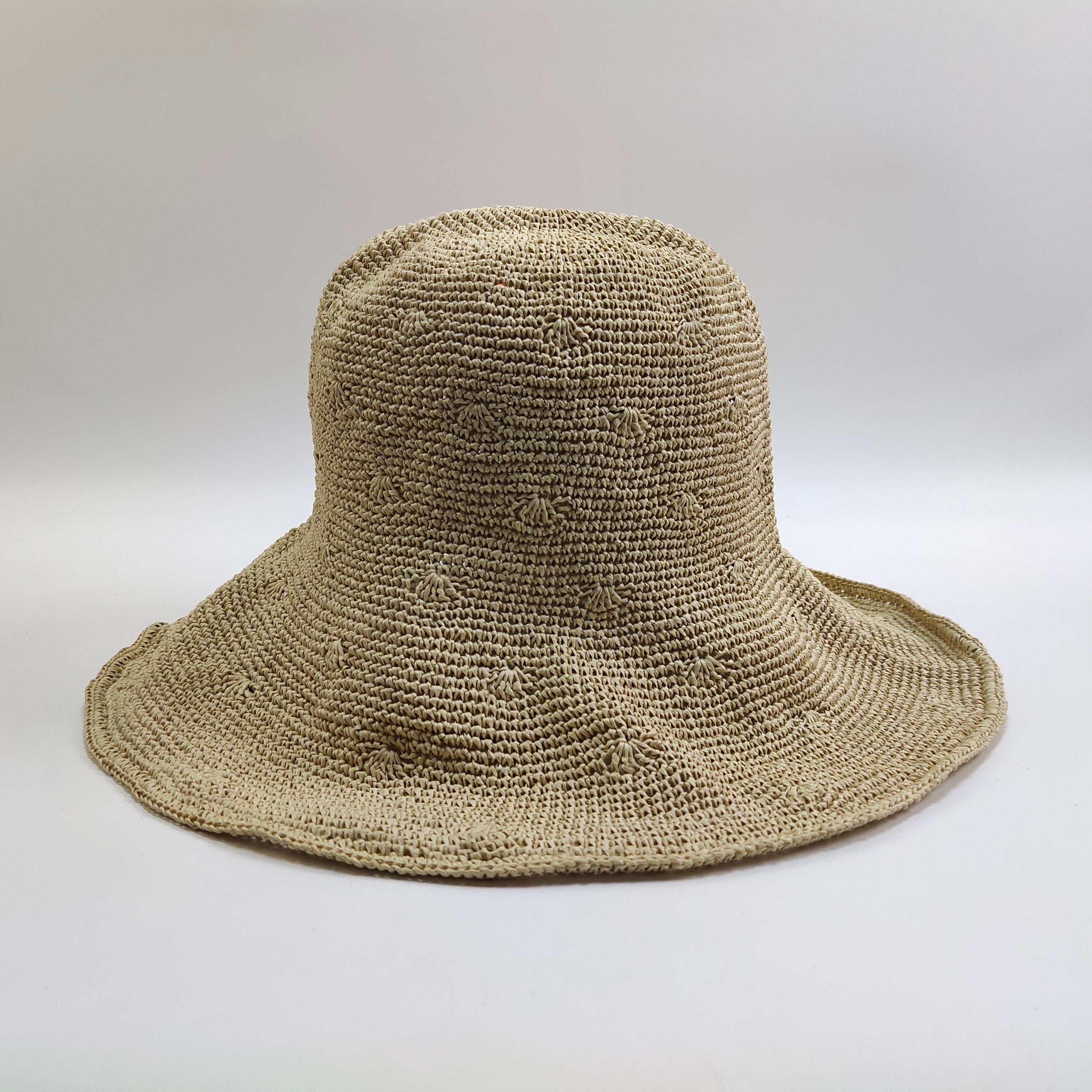
Crochet Headwear
Crochet construction creates an open, textured surface suited to fashion-led and warm-weather styles. Yarn size, stitch pattern, tension, stretch and production method affect sizing consistency, cost and lead time.
These categories require different equipment, tolerances and sampling methods. Some specialist processes may be coordinated through established supply-chain partners under Foremost Hat’s project and quality control.
BRANDING & DECORATION
Choose a Decoration Your Artwork Can Support
Send us the artwork and intended placement. We assess line thickness, colour count, material, quantity and required finish, then recommend a process that can reproduce cleanly and perform reliably in production.
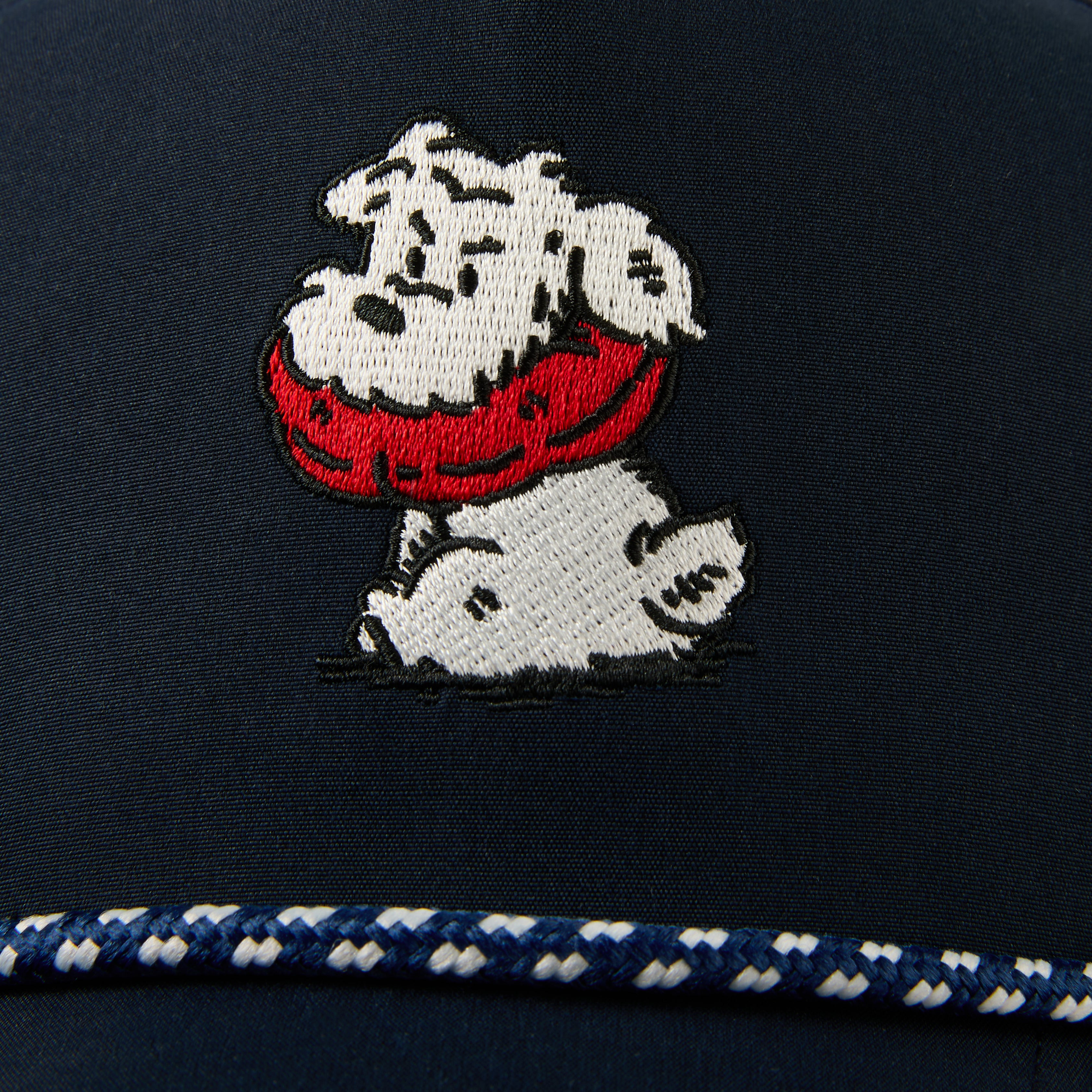
Embroidery
A durable, dimensional option for logos, lettering and graphic details. Very fine lines may need to be simplified.
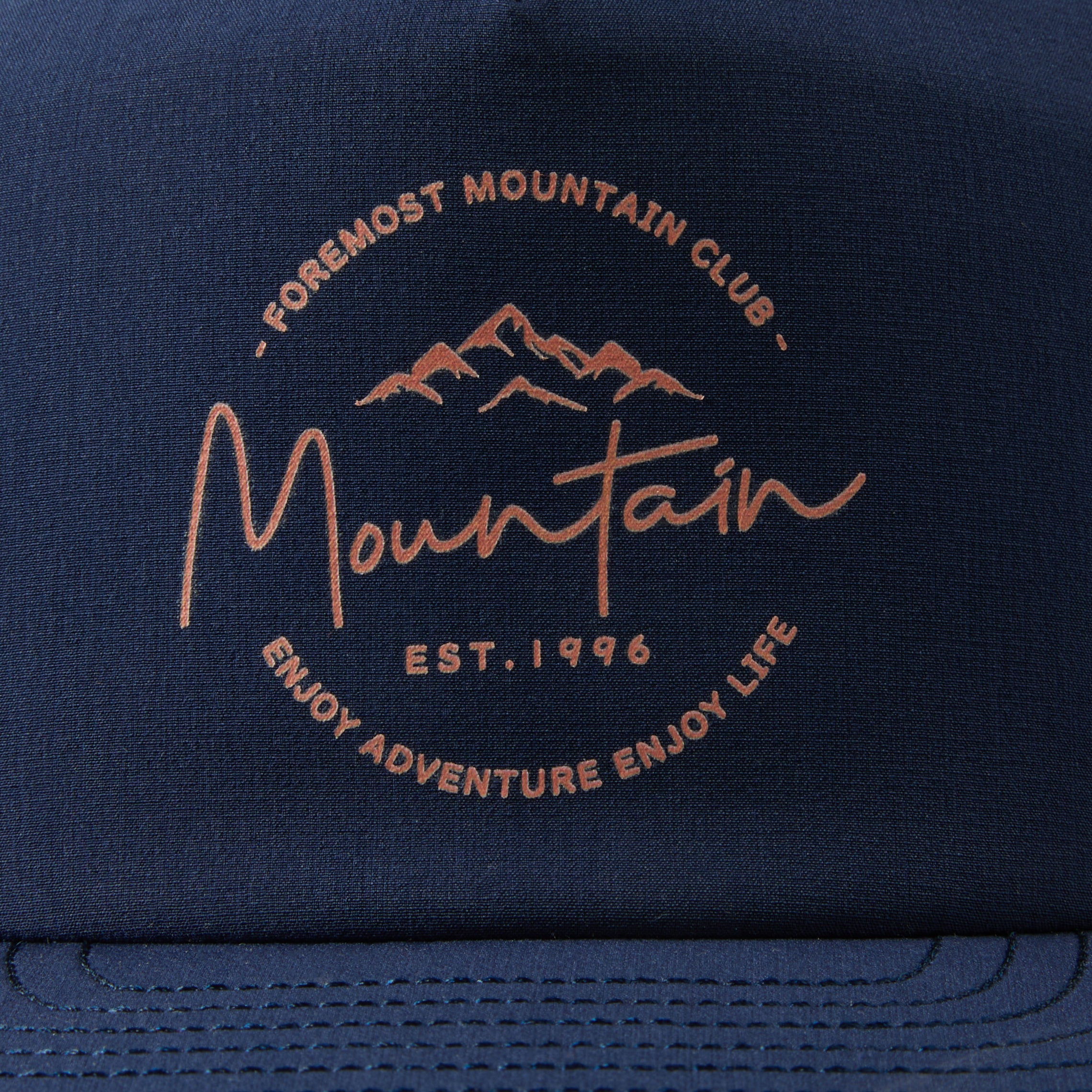
Printing & Heat Transfer
Suitable for detailed graphics, colour effects and larger decoration areas. Compatibility must be checked against the selected material.
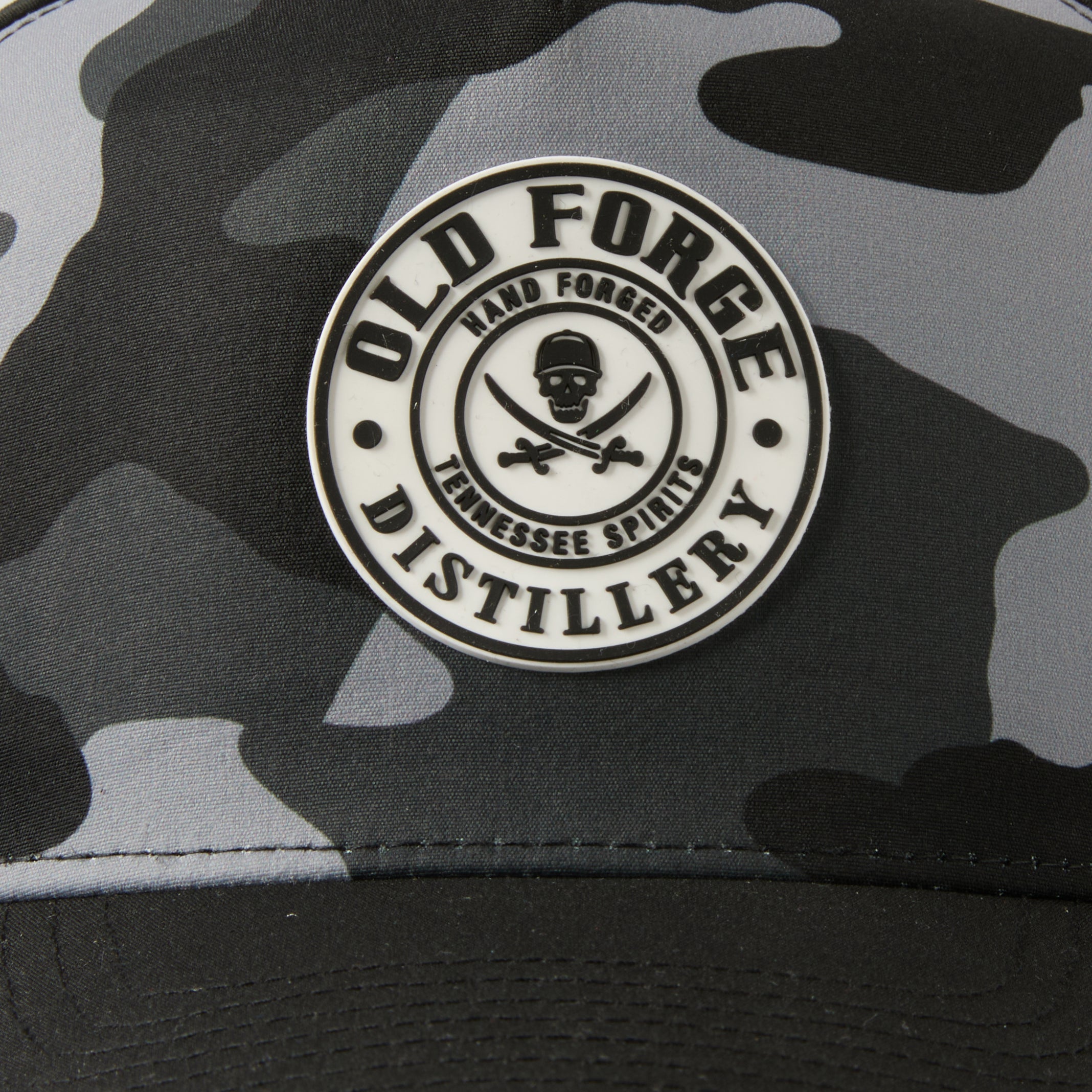
Patches & Badges
Available in woven, embroidered, rubber, leather-look and other constructions.
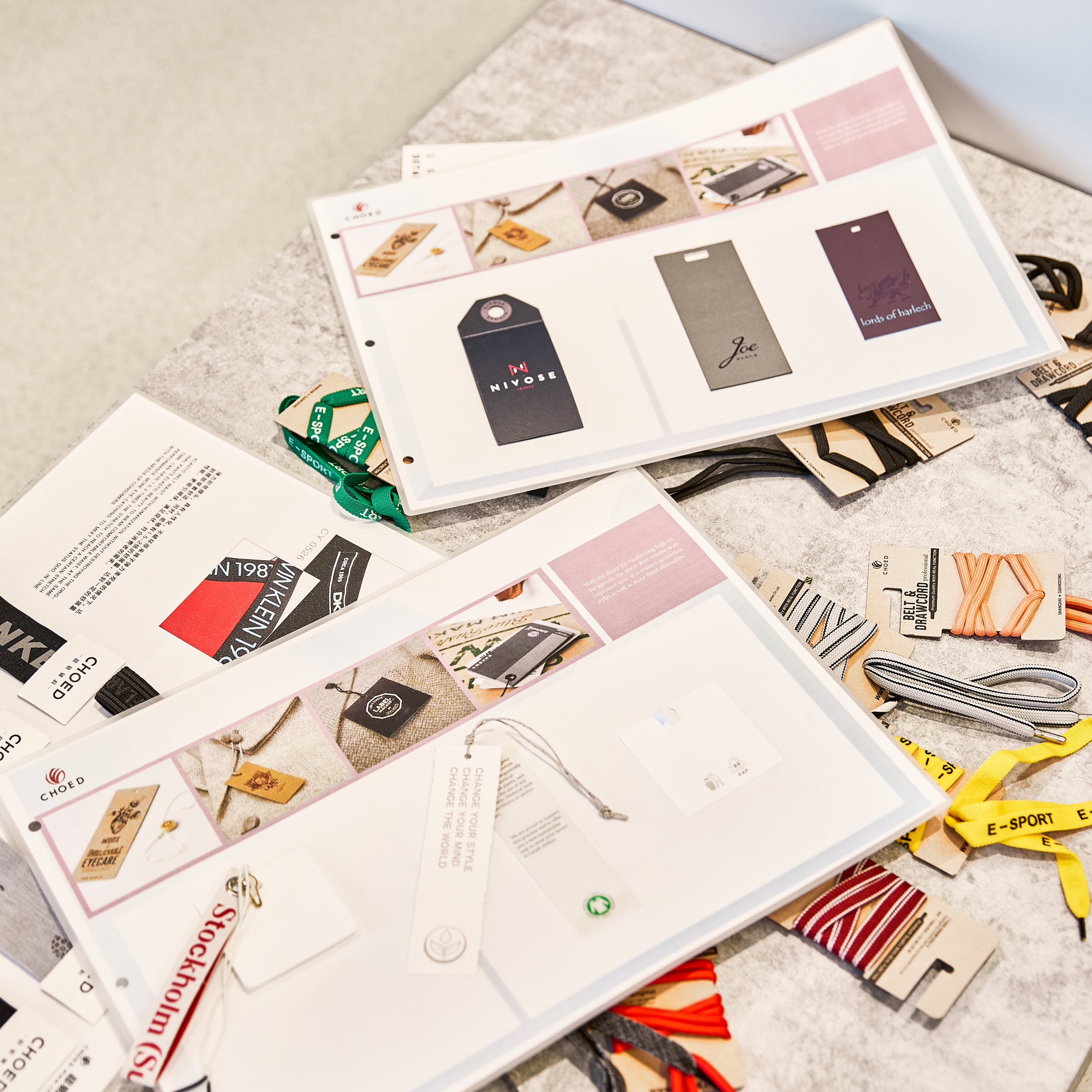
Labels & Appliqué
Useful for subtle branding, layered effects and applications where direct embroidery is unsuitable.
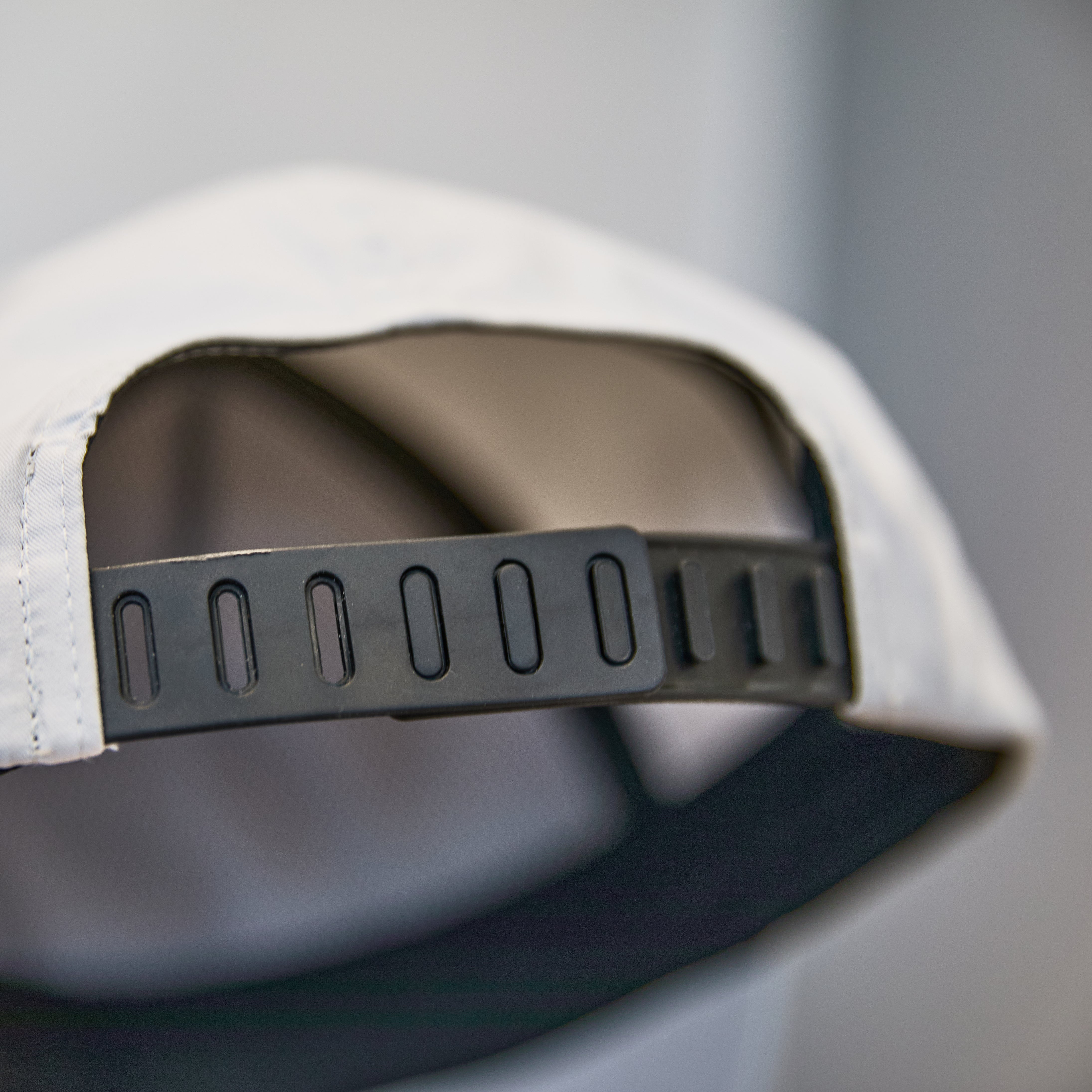
Specialist Details
Options can include embossing, metal trims, silicone elements and combined techniques, subject to tooling and quantity.
The process shown in a reference image may not be the best option for the final product. We recommend based on the artwork, material, placement, quantity and target cost.
Straight Answers, No Guesswork
What information do you need to evaluate a project?
Send us the product reference, target quantity, logo artwork, target price range and required delivery date. We review the construction, materials and decoration, then tell you what is workable, what needs adjustment and what should be confirmed through sampling.
How do I choose the right material?
Match the material to your brand positioning, product structure and target price. We guide you through suitable options from our textile library and use physical swatches to approve the colour, weight and finish during sampling.
Can you support flexible customisation?
Yes. We support projects ranging from logo and colour changes on established constructions to fully developed custom headwear. The workable route depends on quantity, tooling, material sourcing and sample complexity. We define those boundaries before development starts.
Do you make every process in your own factory?
Core development, sewing, assembly and quality management are controlled by Foremost Hat. Selected specialist processes may be completed through established supply-chain partners when dedicated equipment or expertise is required. Foremost Hat remains responsible for project coordination, specification control and final quality acceptance.
Can you reproduce a hat from a reference image?
A reference image supports initial evaluation, but it does not provide measurements, internal construction or material specifications. We can develop a comparable product after confirming these details. Any tooling, cost or intellectual-property issue will be flagged before sampling.
Can you guarantee an exact colour match?
We work against approved physical swatches or recognised colour references. Material type, dye lot and surface texture affect how colour appears, so screen images are not used for final approval. The acceptable colour standard is confirmed during sampling.
What is your minimum order quantity?
MOQ depends on the construction, material, decoration and customisation level. Existing materials and established constructions usually offer more flexibility. Custom-dyed fabrics, moulds and specialist processes require higher commitments.
How long does custom development take?
We confirm the schedule after reviewing the design, materials, sampling requirements and delivery destination. If the requested launch date is unrealistic, we say so before development begins and identify what can be simplified or prioritised.
READY TO REVIEW YOUR PROJECT?
Turn Better Decisions into Better Headwear
Send us your design, target quantity and launch date. Our team will review the construction, materials and decoration, then tell you what is feasible and what needs to be confirmed next. We reply within 1 business day.