

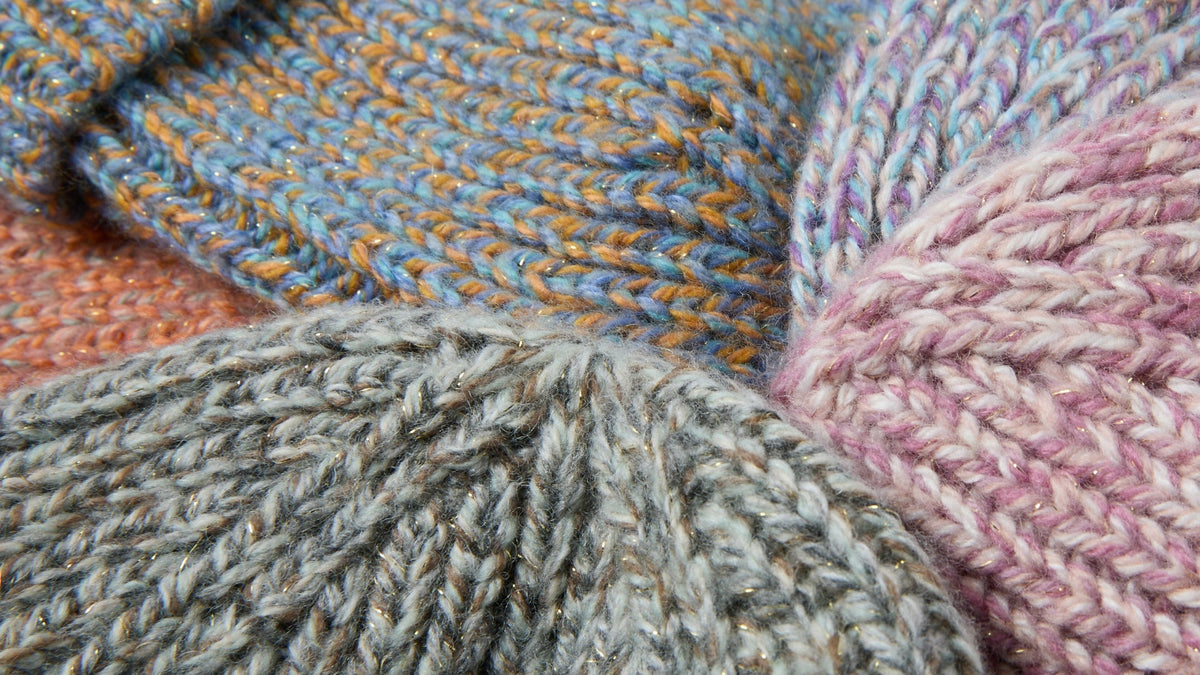
Custom Wool Hats A Buyers Guide to Wool Blends Knits and Felt
We want a premium custom wool hat. That request sounds clear, but a factory still has to make several material and construction decisions. Is the product a fine Merino beanie, a woven wool baseball...
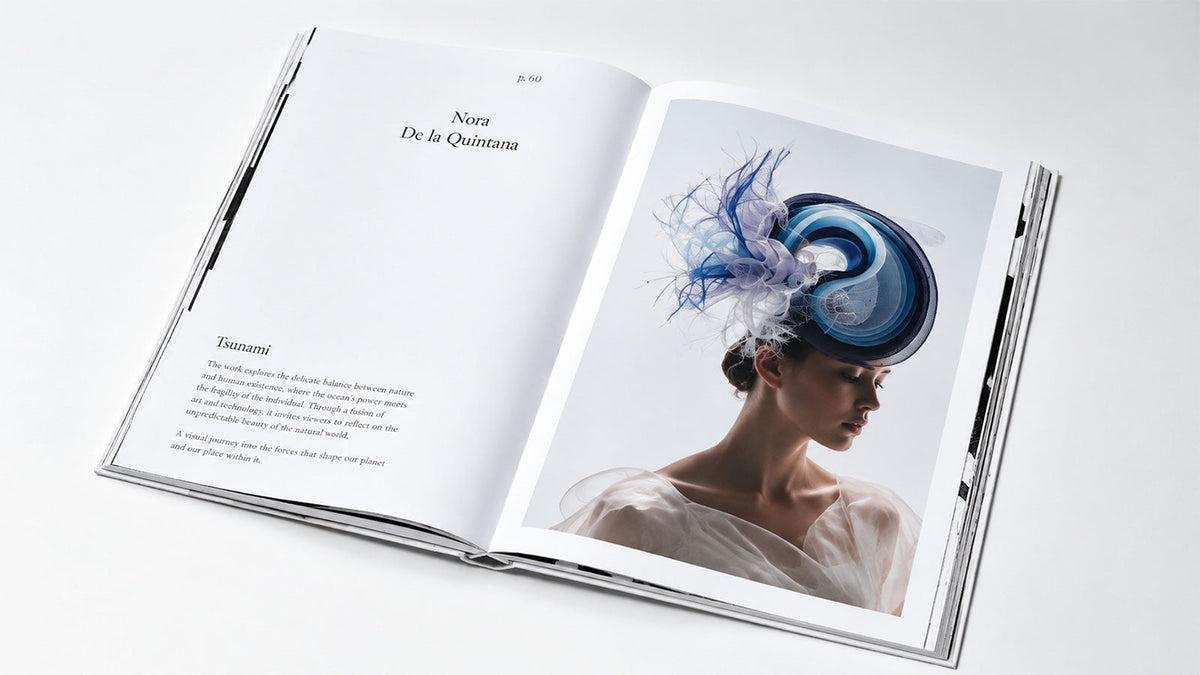
Why 101 HATS Is a Book, Not Another Exhibition: Three Milliner Voices Behind the Fifth 920 Festival's Biggest Launch
Every edition of the 920 Hat Festival raises the same quiet question: what should be the centerpiece this year? For the fifth edition, scheduled around September 20, 2026, the answer was not a bigg...

920 Hat Festival: Where Global Millinery, Craft and Headwear Culture Meet
A hat can be practical, fashionable, ceremonial, collectible, or artistic, and the strongest examples often combine several of those roles at once. That is why the 920 Hat Festival deserves to be v...
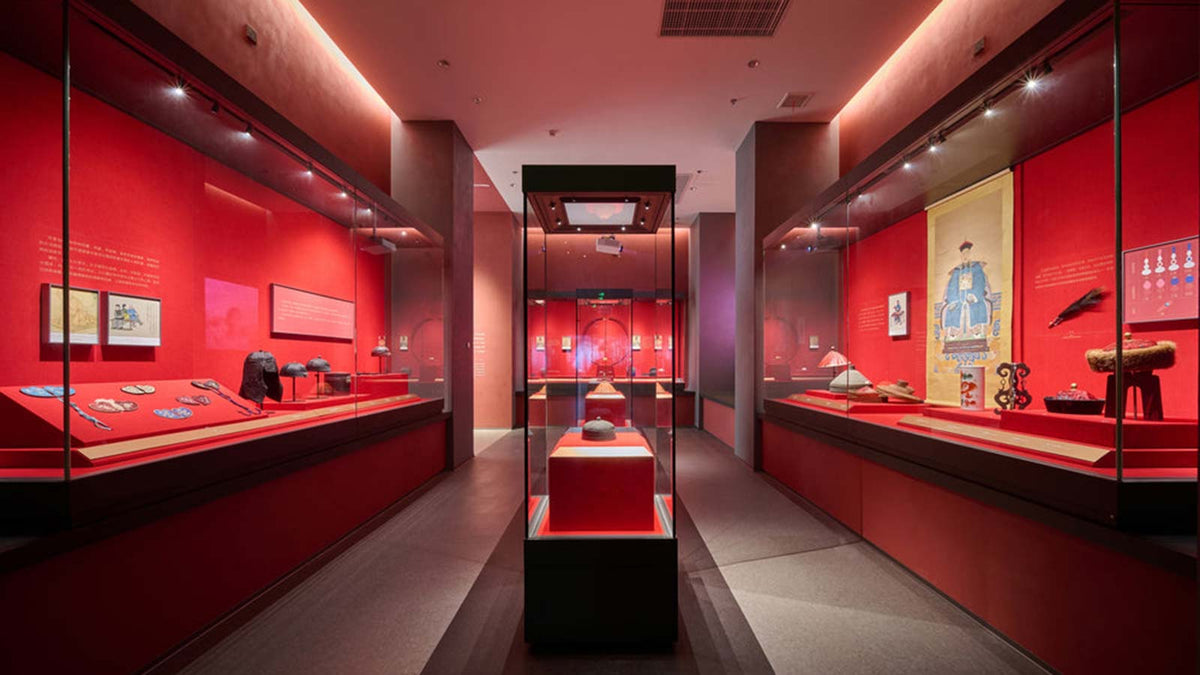
Lesser-Known Chinese Intangible Heritage Crafts Transformed Into Wearable Couture Millinery
Most conversations about heritage headwear start with the famous techniques: feathers, filigree, brocade. The crafts in this article are quieter. One starts with bamboo and mulberry paper, one with...
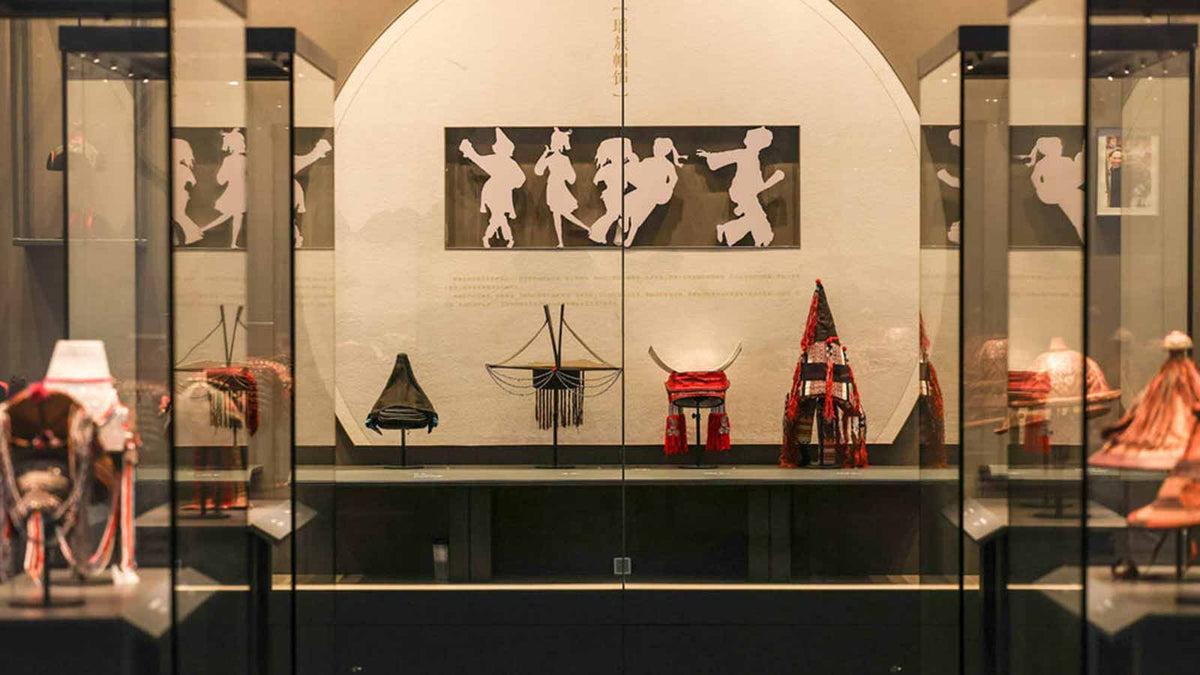
Lesser‑Known Chinese Intangible Heritage Crafts Applied In Contemporary Headwear
Gold filigree and mother-of-pearl inlay tend to get the spotlight when people talk about heritage craftsmanship on headwear, and for good reason — they're dramatic, metal-and-shell techniques that ...
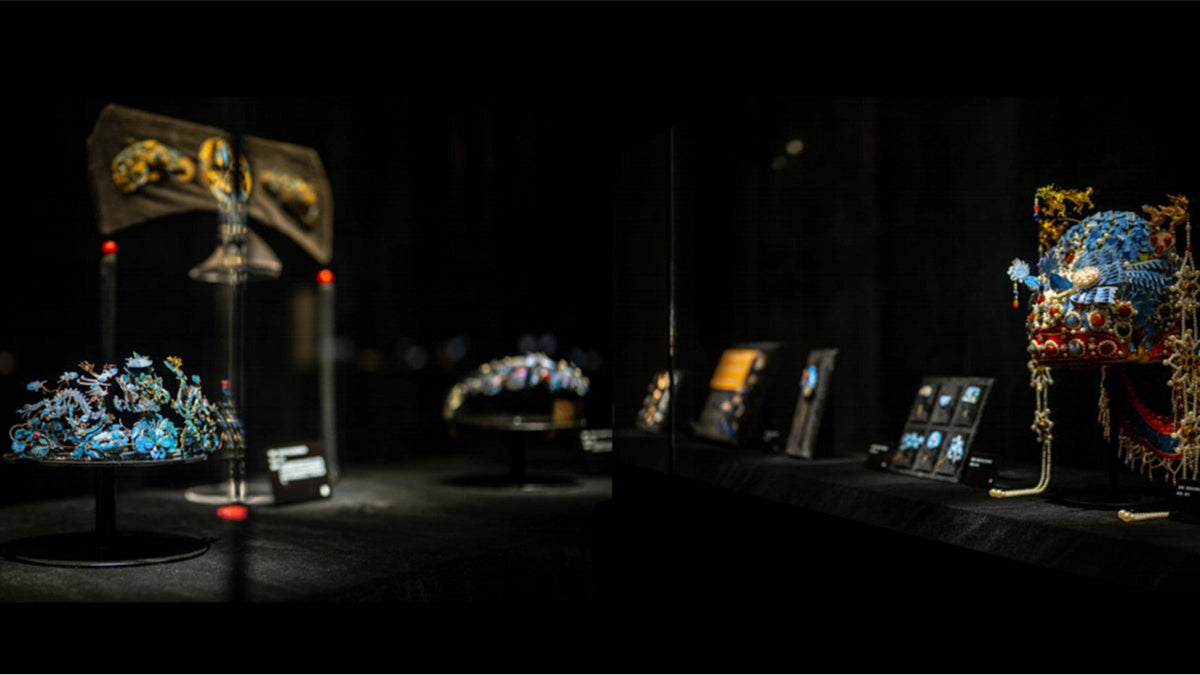
Gold Wire, Mother-of-Pearl, and Lacquer: The Intangible Heritage Crafts Reshaping Couture Hat Design
Beyond feathers and straw, a deeper layer of Chinese craft heritage is finding its way onto hat brims and crowns. Here's how gold wire filigree, mother-of-pearl inlay, and other intangible cultural...
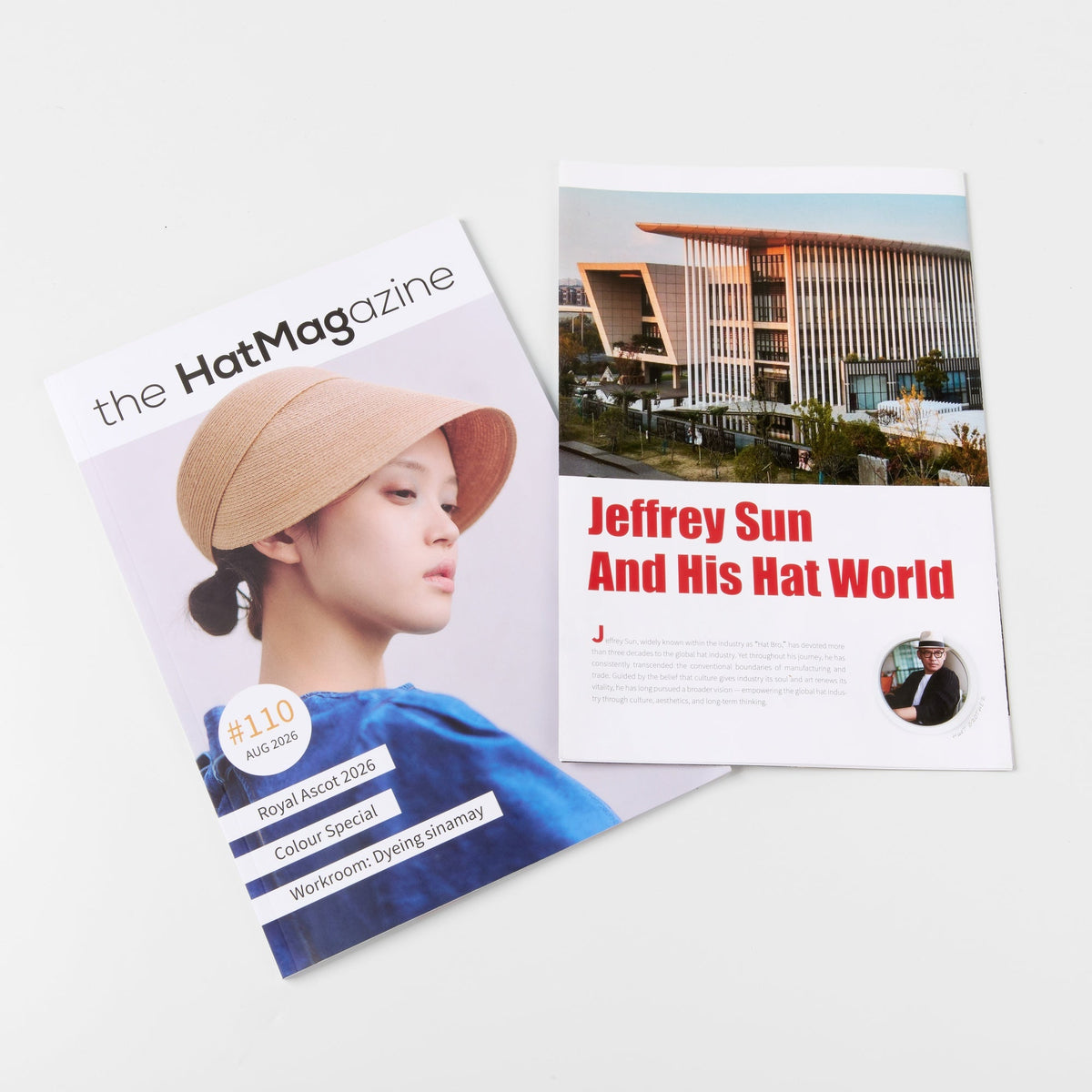
Beyond Making Hats The Industry Vision Behind Foremost Hat
In August 2026, The Hat Magazine published a ten-page profile titled "Jeffrey Sun and His Hat World." The feature follows Foremost Hat founder Jeffrey Sun through more than three decades in the glo...
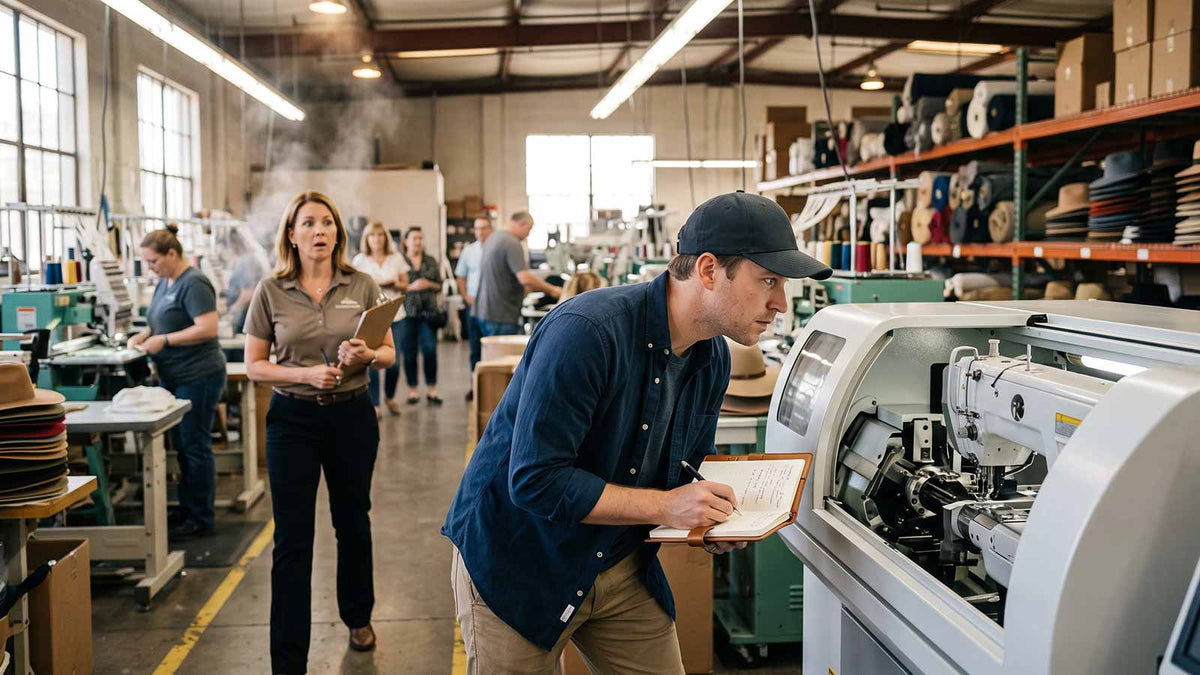
What Buyers Should Actually Look For on a Hat Factory Visit
Every factory profile says roughly the same thing: thousands of square meters, hundreds of workers, a monthly output number that sounds impressive on a slide. A hat factory audit — whether done in ...

Straw Hats vs Felt Hats: Seasonal Materials Every Headwear Brand Should Know
Most headwear buyers plan a collection around silhouette and color first, then figure out material almost as an afterthought. That order of operations works fine for caps, where fabric choice is mo...
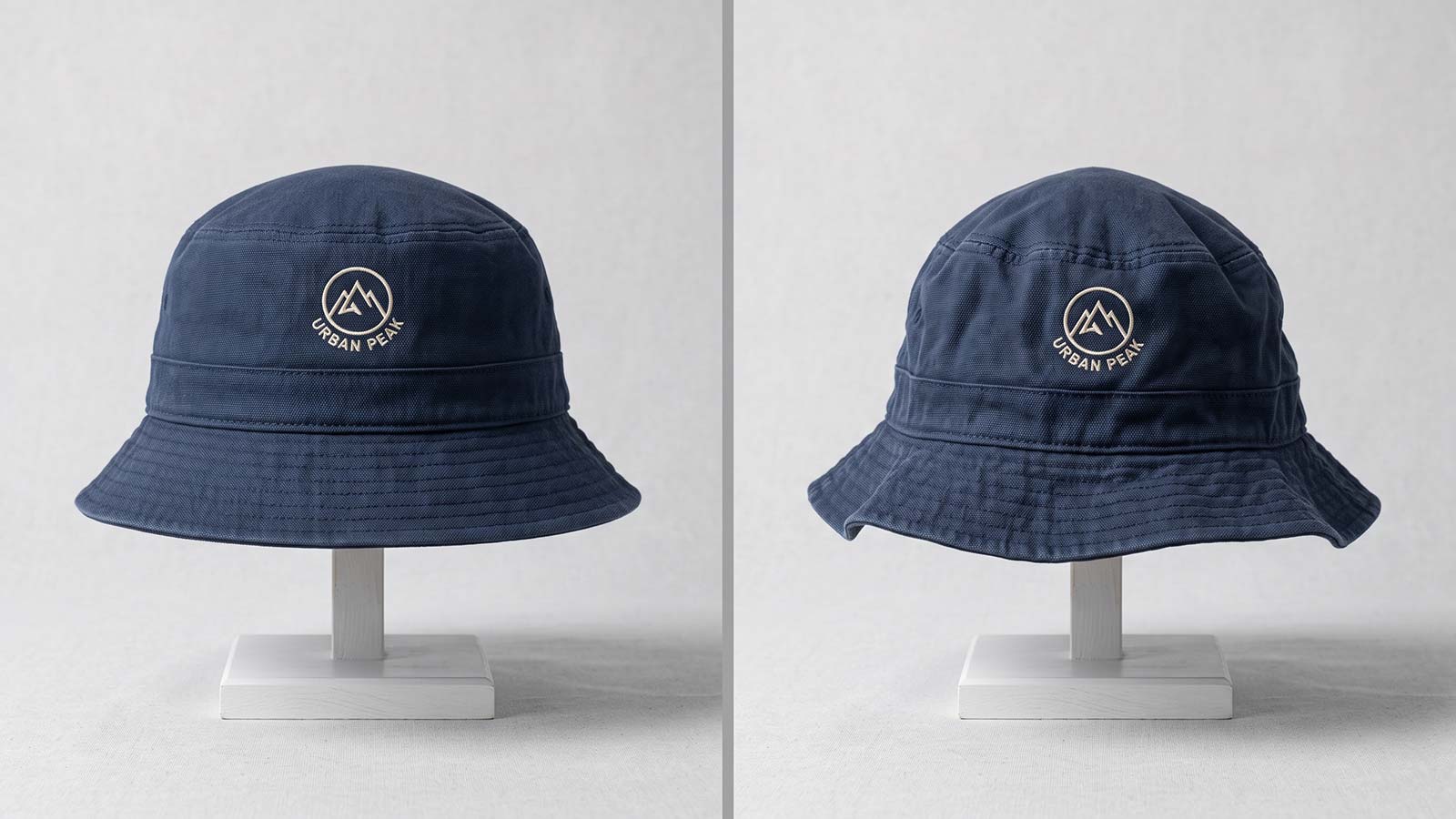
Bucket Hats 101: Fabric, Brim Width, and Construction Options Explained
Bucket hats look simple enough that many buyers treat them as an afterthought — pick a color, add a logo, place the order. But the difference between a bucket hat that holds its shape after twenty ...
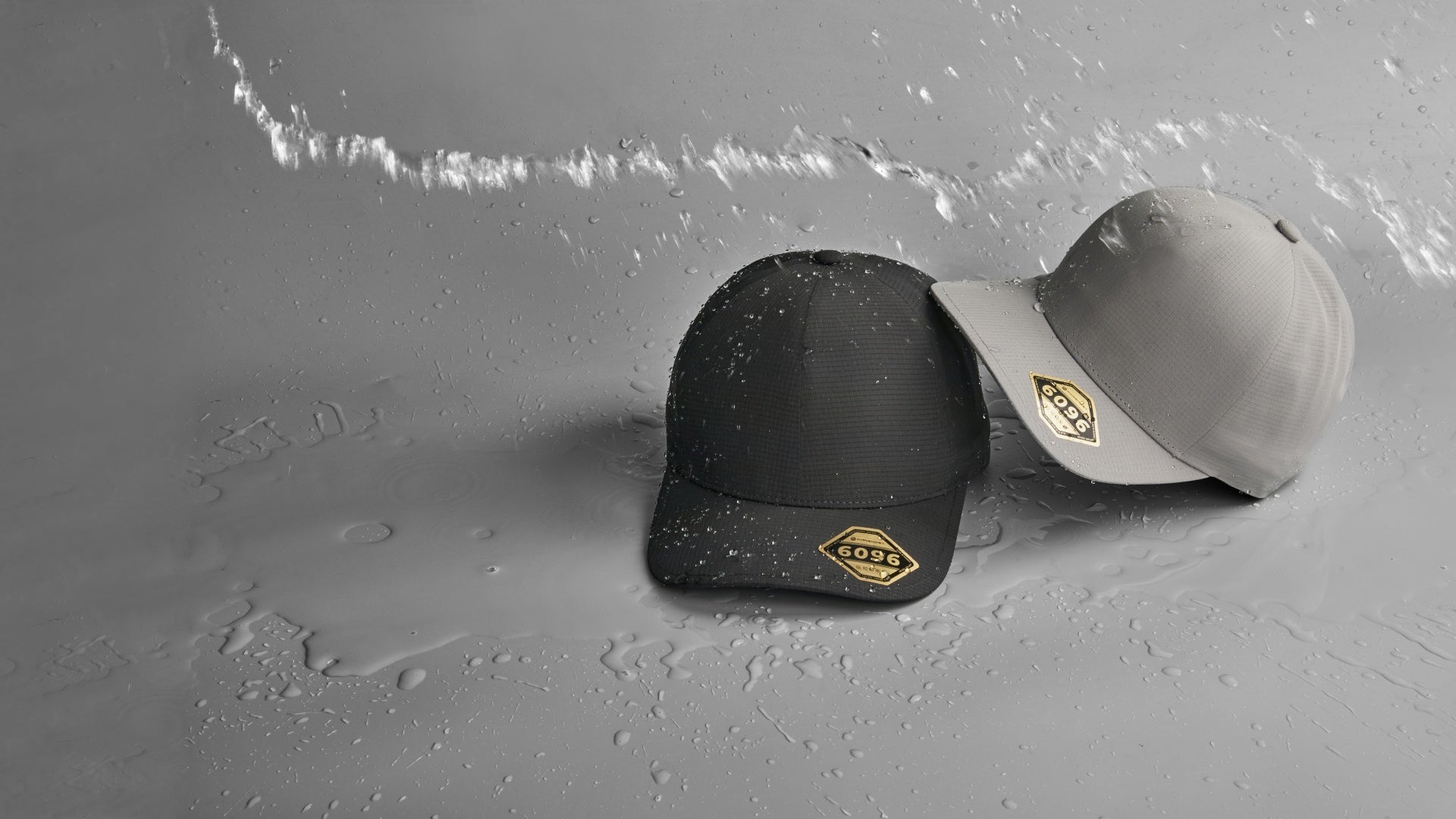
Recycled Polyester Hats: What Buyers Should Specify
"Please make this hat from recycled polyester."
It sounds like a clear request.
But it leaves several important questions unanswered.
Is only the outer fabric recycled? What about the mesh, sweatba...
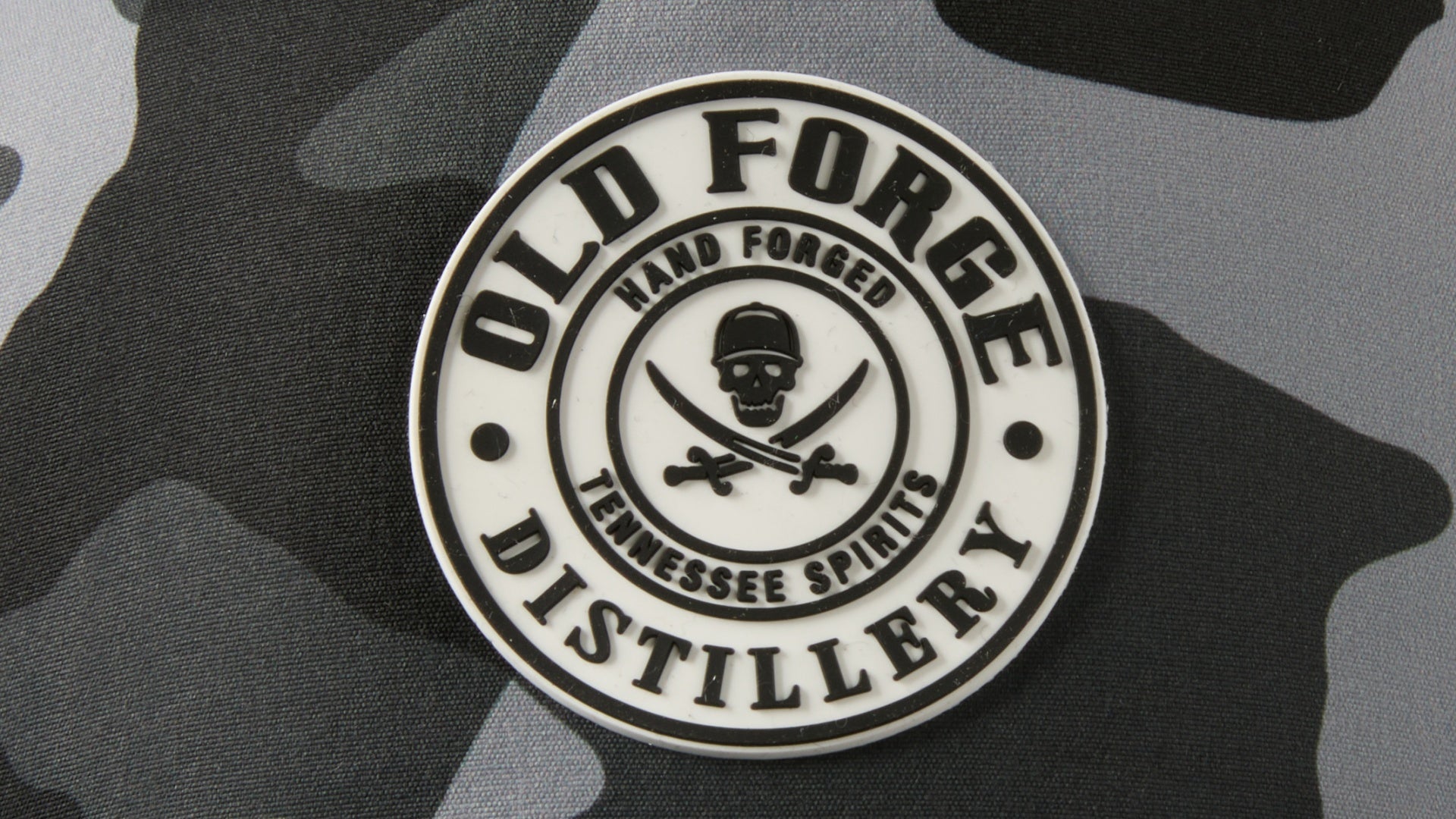
Custom Patch Hats Guide: Patch Types, Attachment Methods and Quality Control
A patch can make a hat feel more finished, more textured and easier to recognise. It can also create problems when the patch, artwork and hat are chosen separately.
A large PVC patch may pull again...