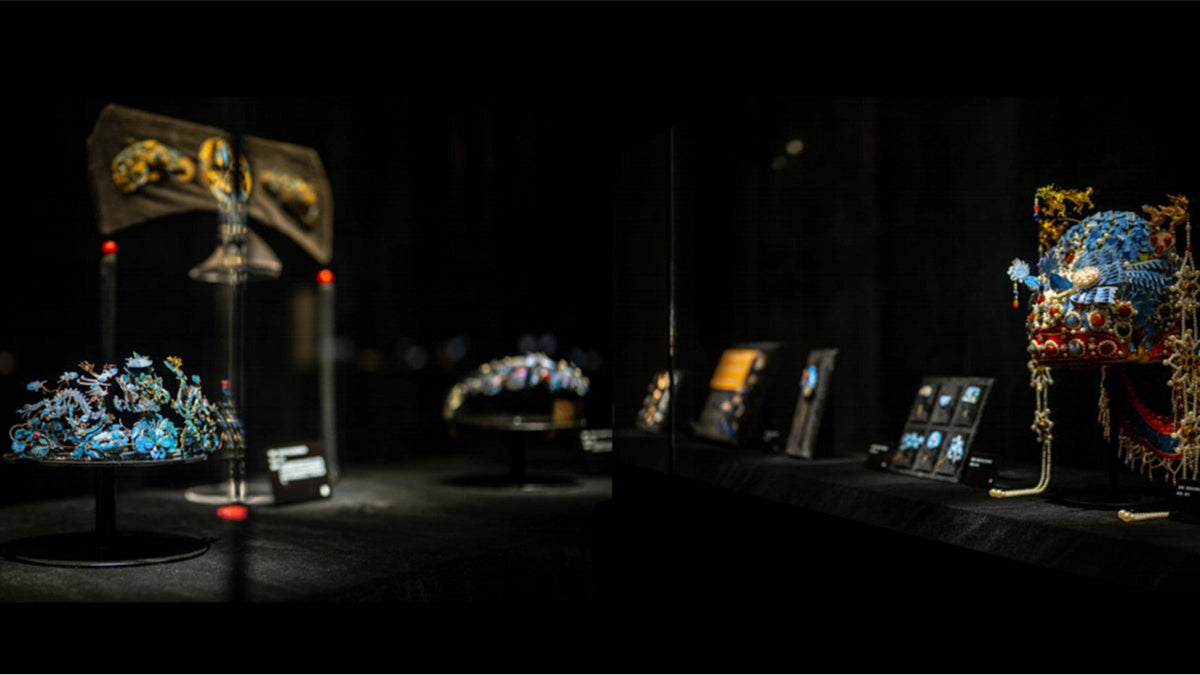
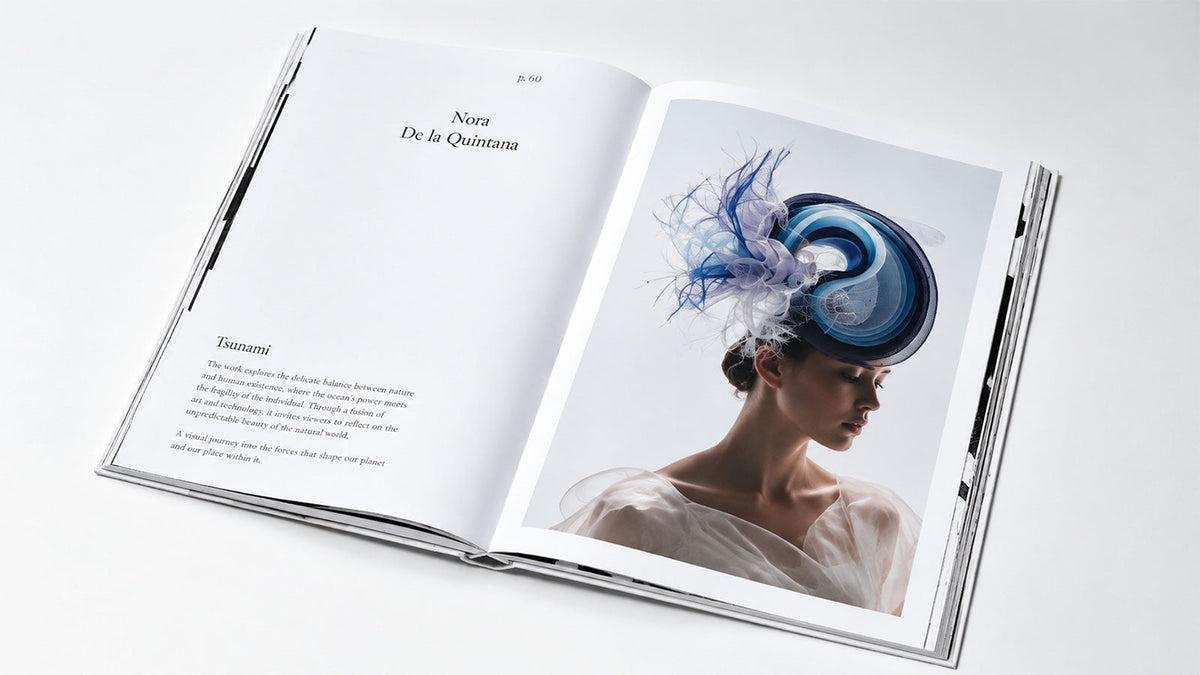
A hat can be practical, fashionable, ceremonial, collectible, or artistic, and the strongest examples often combine several of those roles at once. That is why the 920 Hat Festival deserves to be viewed as more than a seasonal event. It creates a meeting point for hat culture, contemporary design, traditional craftsmanship, collecting, manufacturing and international exchange. The visual material around the event reinforces that idea: sculptural headwear, the “101 HATS” concept and voices from the international millinery community appear together, presenting hats not simply as accessories but as cultural objects with stories, techniques and design value.
Foremost’s own development helps explain why the festival fits naturally within the company’s wider work. Its history combines manufacturing, design research, collecting and museum development, with the first 920 Hat Festival recorded in 2014, the same year the original hat museum opened to the public. For brands, designers and buyers in the global headwear industry, September 20 is therefore a useful moment to look beyond individual products and consider how hats connect people, materials and ideas.
🔽 Quick Navigation
- 📌 Why September 20 Became a Shared Date for Hat Culture
- 📌 How the 920 Hat Festival Grew Into an International Millinery Exchange
- 📌 What the Festival Reveals About Modern Millinery and Hat Craftsmanship
- 📌 How 101 Hats Connects Contemporary Millinery With Preservation
- 📌 What Brands, Buyers and Hat Manufacturers Can Learn From 920
- 📌 Conclusion: Why the 920 Hat Festival Matters Beyond One Day
- ❓FAQ
Why September 20 Became a Shared Date for Hat Culture

The identity of the 920 Hat Festival begins with a memorable date, but its lasting value comes from the community built around it. Headwear is a surprisingly fragmented field. An independent milliner may focus on silhouette, balance, hand blocking and trim, while a hat manufacturer thinks about construction, material stability, repeatability and quality control. A museum studies history and cultural meaning; a collector may care about authorship and rarity; a fashion buyer asks whether a creative idea can become wearable, scalable and relevant to a particular market. The 920 Hat Festival gives these groups a shared platform without asking them to approach hats in the same way. That difference in perspective is part of the point: a festival becomes more useful when design, craft, history and production are allowed to challenge and inform one another.
The event also makes sense within the longer Foremost company history. Before the first festival, Foremost had already invested in a hat decoration design competition and a headwear R&D center; in 2014, the festival and museum opening appeared within the same phase of development. That timeline suggests a shift from simply making hats toward building a wider environment around headwear design. The event functions as a public celebration, a design exchange and a place where professional knowledge becomes visible outside the factory or studio.
How the 920 Hat Festival Grew Into an International Millinery Exchange

The festival’s development is easier to understand when viewed as an expansion of purpose rather than simply an increase in scale. By the third edition in Beijing in 2018, independent industry coverage described hundreds of hat enthusiasts, industry guests and international representatives gathering around runway presentations, Panama hats handmade in Ecuador, museum pieces and collaborations with artists and designers. The Hat Magazine’s report on the third 920 China Hat Festival is especially useful because it documents the event from outside Foremost’s own channels. It shows how international millinery entered the festival through materials, designers, cultural representatives and different approaches to making and wearing hats. Later industry records also list the fourth festival in 2023, suggesting that 920 had become part of a broader professional conversation around headwear rather than remaining a one-off local celebration.
The progression shows why a global hat festival matters to an industry that often works in separate niches. A runway presents proportion and movement, a museum adds historical context, and craft or design exchange lets ideas travel between professions. A sculptural piece may never become a mass-market style, yet its brim line, construction or material combination can still influence commercial design. The table below summarizes how these layers contribute to the wider headwear ecosystem.
| Festival Layer | Main Focus | Value for the Headwear Industry |
|---|---|---|
| Public celebration | Wearing, styling and enjoying hats | Expands interest in hat culture |
| Design exchange | Milliners, artists and contemporary headwear | Introduces new millinery design ideas |
| International participation | Materials, makers and guests from different countries | Builds global headwear connections |
| Museum and heritage | Historic objects, techniques and stories | Adds context to modern product development |
| Industry dialogue | Designers, factories, brands and buyers | Connects creativity with practical hat manufacturing |
What the Festival Reveals About Modern Millinery and Hat Craftsmanship

The visual language of the 920 event makes one thing clear: modern millinery cannot be reduced to product categories. Some hats use sweeping theatrical forms, while others rely on delicate structure or architectural balance. Behind those differences are technical decisions about weight, stiffness, attachment and material behavior. Straw, felt, fabric, feathers and wire respond differently when blocked, woven, stitched or placed under tension, so expressive headwear still depends on disciplined hat craftsmanship. Seeing a hat worn in motion also reveals how crown, brim, face and body work together, something a static product image cannot fully show.
The Foremost Hat Museum adds another layer by turning historic and contemporary headwear into a working design resource. The museum describes a collection of more than 7,000 objects and explains that designers study silhouettes, proportions, materials, construction methods and decorative techniques before exploring relevant ideas through sketches, material trials and sampling. This is important for both headwear design and hat manufacturing because cultural research does not have to mean copying the past. A historic straw construction may suggest a better way to manage shape or ventilation; an old ceremonial crown can inspire a new proportion; traditional braiding can lead to a modern surface treatment. When archives are used this way, heritage becomes product intelligence, giving designers a broader vocabulary than trend reports alone can provide.
How 101 Hats Connects Contemporary Millinery With Preservation

The “101 HATS” theme fits naturally beside the festival because both deal with the life of a hat beyond a single season. Live events make contemporary millinery visible now, while collecting and research help preserve important work after a runway or exhibition ends. Foremost’s 101 Heritage Headwear initiative approaches this through traditional craft, bringing practitioners, designers, researchers and headwear specialists into collaboration. Rather than treating heritage techniques as decoration, the project begins with materials, skills and cultural meaning, then explores how those qualities can enter contemporary headwear through structure, proportion, color and movement.
A related publishing project extends preservation in another direction. ACC Art Books describes the forthcoming 101 Hats: The Best in Modern Millinery as a selection of 101 creations from a much larger private collection of around 7,000 hat-related pieces, representing designers from different cultures and continents. That approach matters because millinery art can be unusually temporary: a runway lasts minutes, an exhibition may last weeks, and social media moves on almost immediately. A festival lets audiences experience the scale and movement of a design; a museum gives it a long-term home; publishing creates a portable record that can reach designers, students and collectors elsewhere. Together, these formats help turn current creativity into future reference material, creating a cycle in which hats are made, worn, discussed, documented and eventually studied by another generation.
What Brands, Buyers and Hat Manufacturers Can Learn From 920

For commercial brands and sourcing teams, a cultural festival may seem distant from everyday custom hat manufacturing, yet the lessons connect directly to product development. New products rarely begin with a specification sheet alone; they begin with observation. Designers notice how a brim changes proportion, how a crown behaves in motion, which fibers create softness or structure and which details give a hat identity. Experimental millinery exaggerates these questions. A runway piece may never enter mass production, but a curve, trim method or material contrast can be simplified into a wearable custom hat.
The second lesson is that headwear manufacturing benefits from cultural context as much as creative design does. In a global supply chain, it is easy to treat a traditional pattern or technique as a visual resource without understanding where it comes from. A stronger approach begins with the craft, its materials and the people who hold the knowledge, then considers whether and how it should be adapted. Manufacturing adds another filter: an idea must survive sampling, fitting, material testing, decoration, quality control and bulk production before it becomes a reliable product. Museums and festivals do not replace those processes, but they can make the ideas entering them more informed. For brands developing private label hats, wholesale headwear or seasonal collections, that can lead to meaningful differentiation based on proportion, material, construction or finish rather than decoration added only for novelty.
Conclusion: Why the 920 Hat Festival Matters Beyond One Day
The lasting value of the 920 Hat Festival comes from its ability to connect activities that are often separated. Factories make hats, milliners explore form, craftspeople preserve specialist techniques, museums protect objects and knowledge, publishers document design, and brands turn selected ideas into products for the market. By bringing these perspectives together, the festival treats headwear as both an industry and a cultural field. Foremost’s history places the first festival in the same period as its museum and research development, while independent industry coverage shows later editions connecting Chinese hat culture with international guests, materials and design voices. The event therefore represents more than an annual celebration; it is part of an ongoing effort to make global hat culture more visible, connected and useful.
That broader view matters in a market where fashion cycles move quickly. Innovation in headwear design often depends on deeper references: understanding why older forms worked, respecting craft knowledge, testing new interpretations and creating spaces where designers and manufacturers can exchange experience. September 20 provides a focal point, but the impact continues through museum research, product development, publishing and collaboration. When culture, craft and manufacturing inform one another, a hat becomes part of a continuing design history rather than only a seasonal accessory.
❓FAQ
Q1: What is the 920 Hat Festival?
The 920 Hat Festival is a headwear-focused cultural and industry event that brings together design, craftsmanship, collecting, manufacturing and public participation. Foremost records the first festival in 2014, during the same period in which its museum and headwear research activities were expanding.
Q2: When did the 920 Hat Festival begin?
The first documented 920 Hat Festival took place in 2014. Industry coverage later documented the third festival in Beijing in 2018 and listed the fourth edition in 2023, showing that the event developed across multiple editions rather than remaining a one-time celebration.
Q3: Is the festival only for professional milliners?
No. Professional designers and industry specialists are important participants, but the wider idea also includes collectors, brands, manufacturers, cultural institutions and people who enjoy wearing and learning about hats. This broader audience helps turn hat culture into a shared public conversation.
Q4: How does 920 relate to the 101 projects?
The festival emphasizes live presentation and exchange, while the 101-related projects focus more strongly on collecting, documenting and developing headwear for the future. Together, they connect temporary experiences with long-term preservation and give millinery design a longer cultural life.