THE FOREMOST HAT MUSEUM

Preserving the Past. Designing What Comes Next

A living archive of headwear history, craft and design—created to preserve knowledge, inspire makers and move the industry forward.

Built from a Lifelong Commitment to Hats

Foremost has spent decades making hats. The museum expands that experience into a wider study of how headwear reflects identity, craftsmanship, fashion and changing ways of life.

What began as Jeffrey Sun’s personal collecting journey in 2006 grew into the Foremost Hat Museum, which opened to the public in 2014. Today, it brings together more than 7,000 historic and contemporary objects from around the world.

The collection is preserved to be used—to support research, inspire designers and make headwear knowledge accessible to future generations.

2014
Open Since
Sharing headwear culture with the public
7,000+
Objects
Historic and contemporary headwear from around the world.
5
Permanent Galleries
History, fashion, global cultures, craft and professions.
Free
Admission
Knowledge made open and accessible.

Five Galleries. One Global Story of Headwear

From symbols of rank and identity to fashion, craft and working life, the collection traces how hats have reflected the societies that made and wore them.

  1. Symbols Of Rank
  2. Style Through the 20th Century
  3. Headwear Across Cultures
  4. Crafted by Hand
  5. Hats at Work

1 / 5 — Symbols Of Rank

Symbols Of Rank

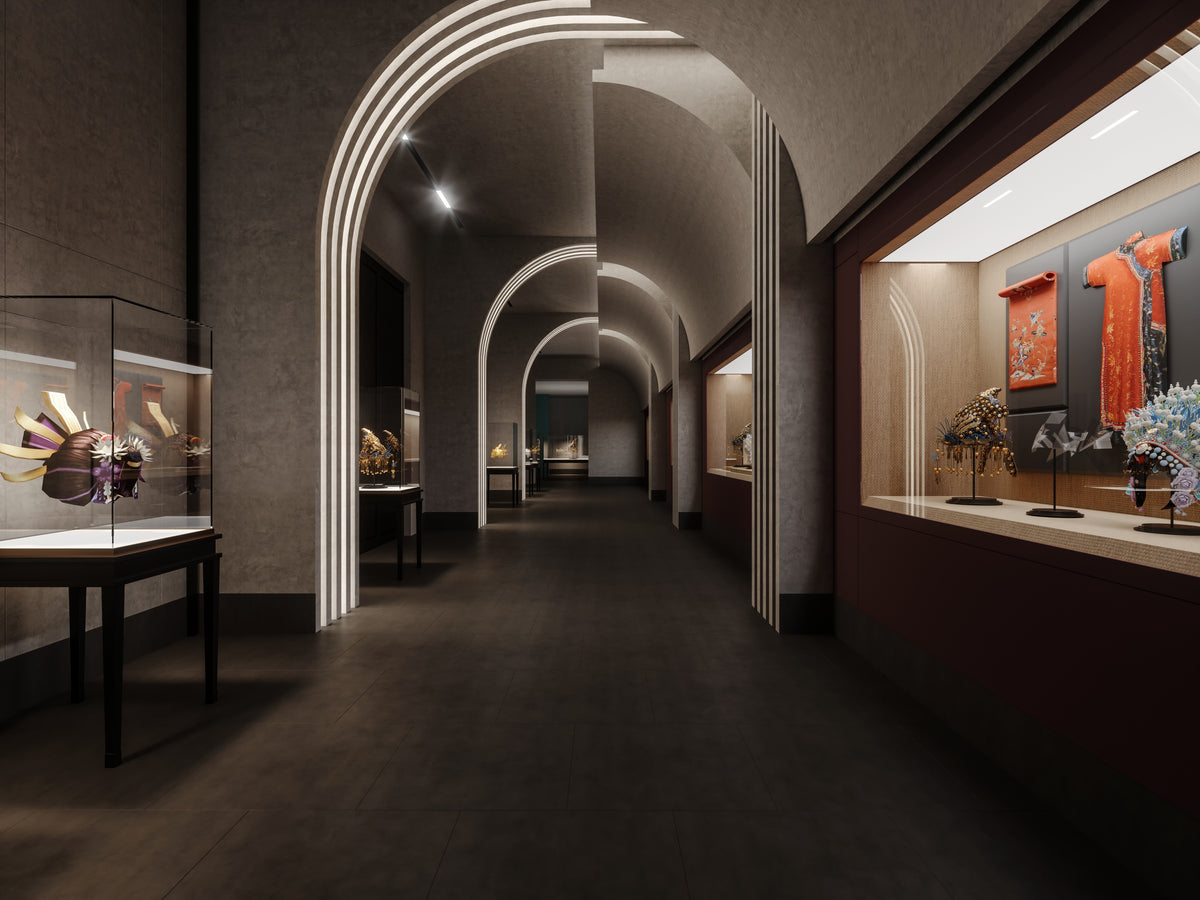
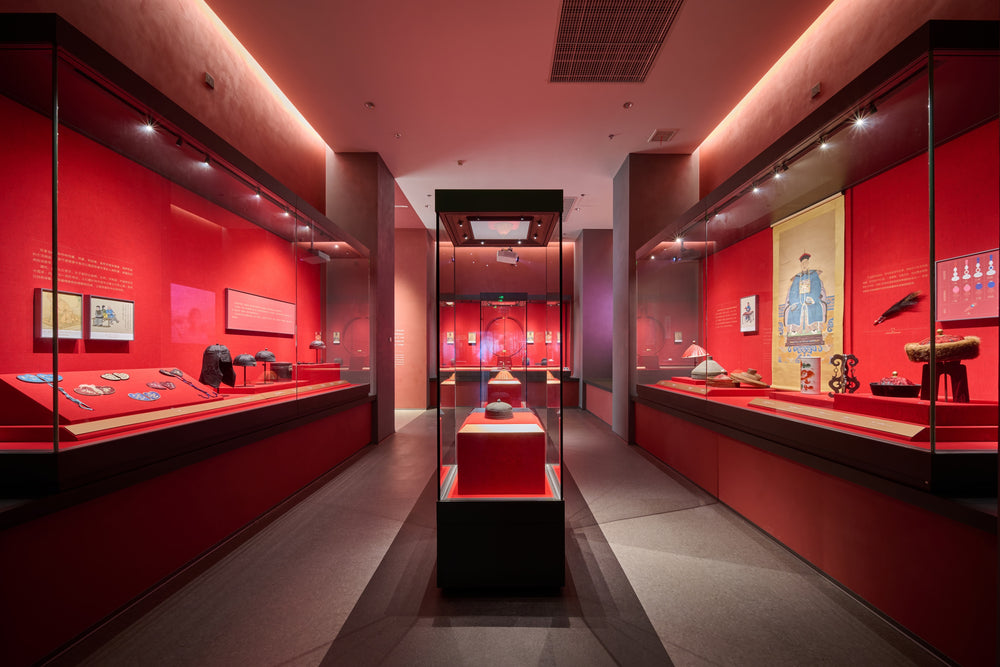
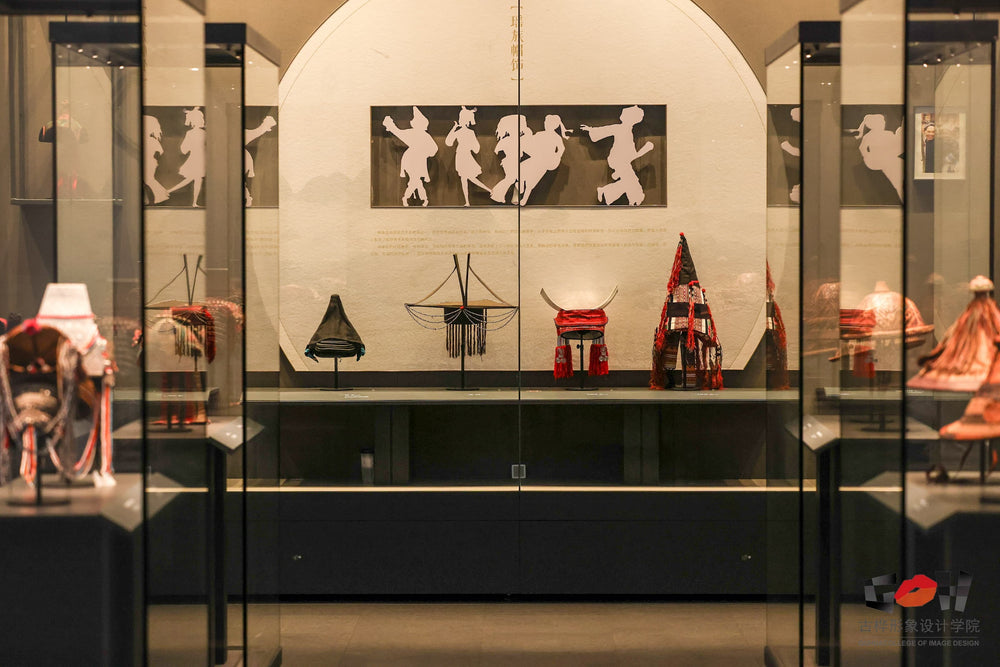
Historic Chinese crowns, official headwear and ceremonial pieces reveal how hats once communicated status, authority and social order.

The gallery also explores how traditional forms and decorative techniques continue to inform contemporary design.
Structure is separate from height. Buckram interfacing controls rigidity: heavier (1.0–1.2mm) holds shape through years; lighter (0.5–0.7mm) softens gracefully over time.

Style Through the 20th Century

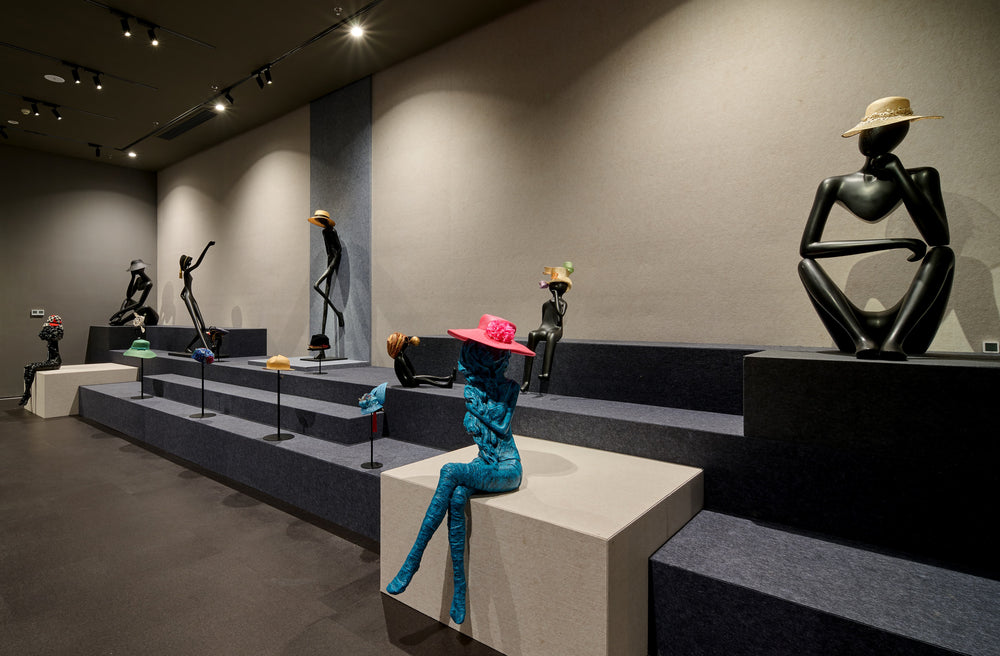
Cloche hats, berets, formal hats and classic millinery pieces trace a century of changing ideas about elegance, identity and personal style.

Historic tools and construction references also offer a closer look at how these forms were made.

Structure is separate from height. Buckram interfacing controls rigidity: heavier (1.0–1.2mm) holds shape through years; lighter (0.5–0.7mm) softens gracefully over time.

Headwear Across Cultures

Headwear from China, Central Asia, Europe, Africa and the Americas shows how climate, belief, local materials and social traditions shape what people wear.

Together, these objects reveal both the diversity of headwear and the human needs shared across cultures.

Structure is separate from height. Buckram interfacing controls rigidity: heavier (1.0–1.2mm) holds shape through years; lighter (0.5–0.7mm) softens gracefully over time.

Crafted by Hand

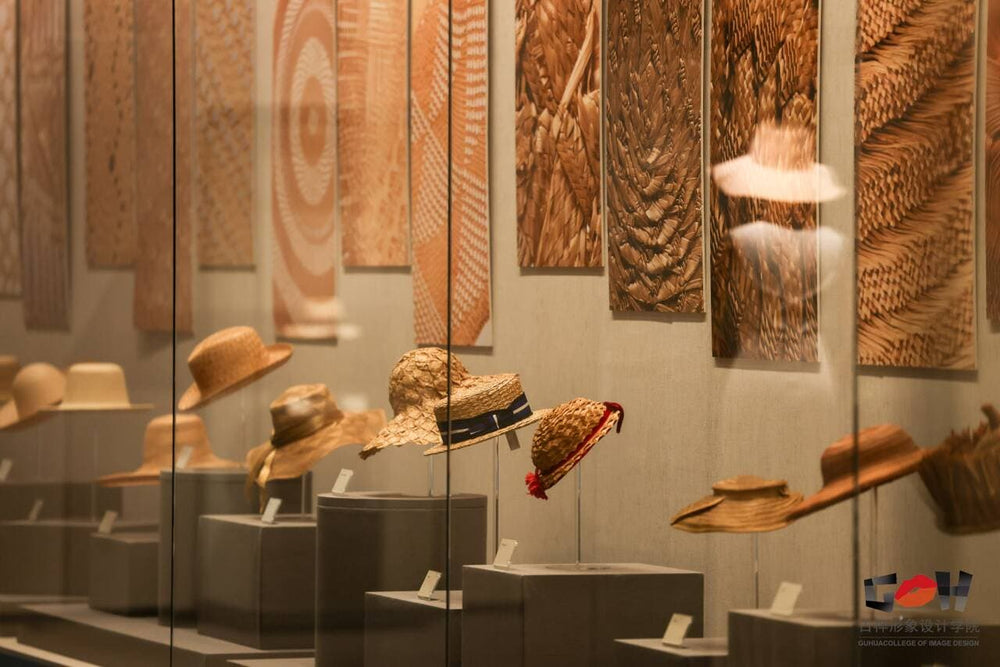
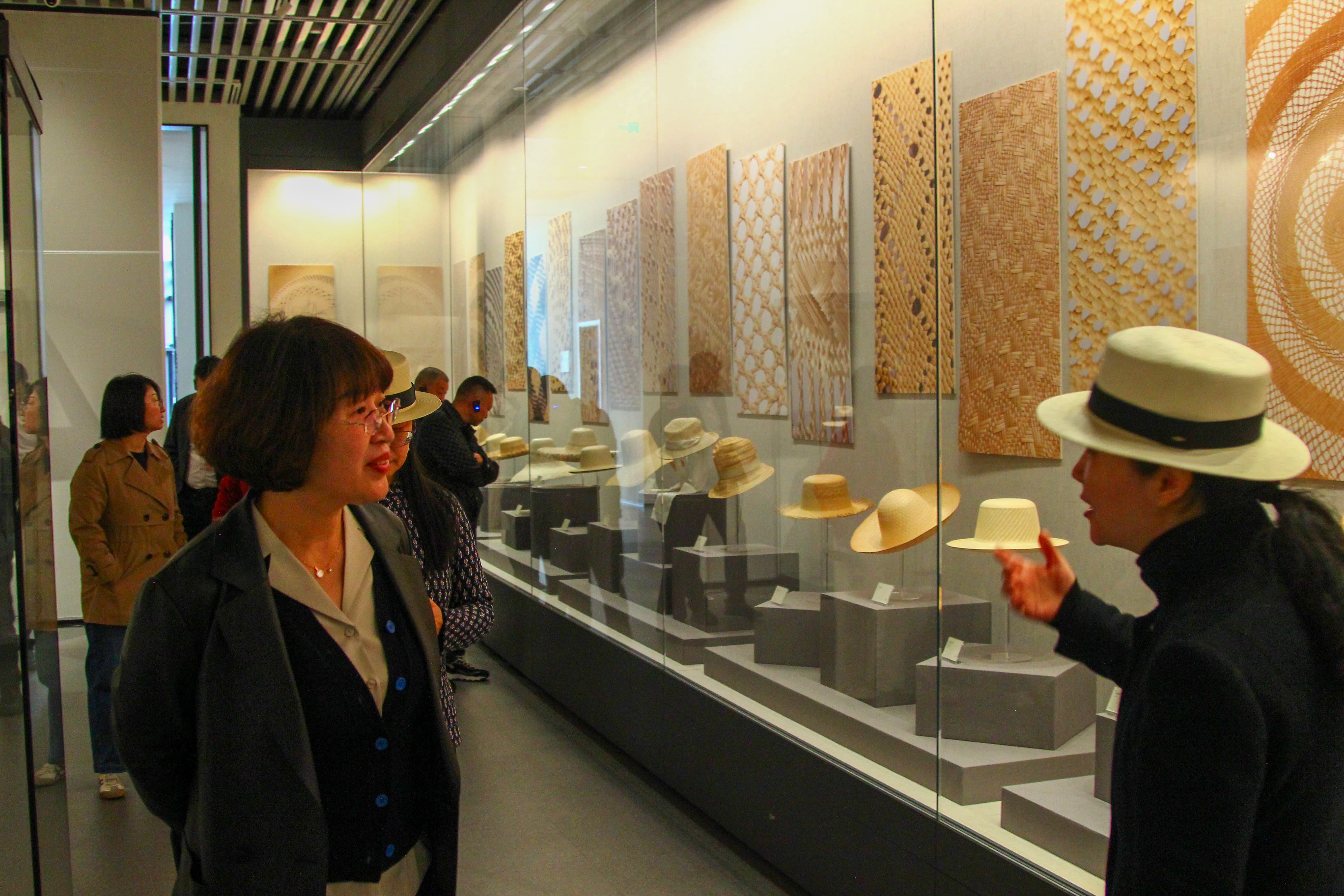
Straw weaving, millinery tools and traditional decorative techniques reveal the patience, material knowledge and skilled hands behind every well-made hat.

The gallery connects historic craft with the makers and materials that continue to shape headwear today.

Structure is separate from height. Buckram interfacing controls rigidity: heavier (1.0–1.2mm) holds shape through years; lighter (0.5–0.7mm) softens gracefully over time.

Hats at Work

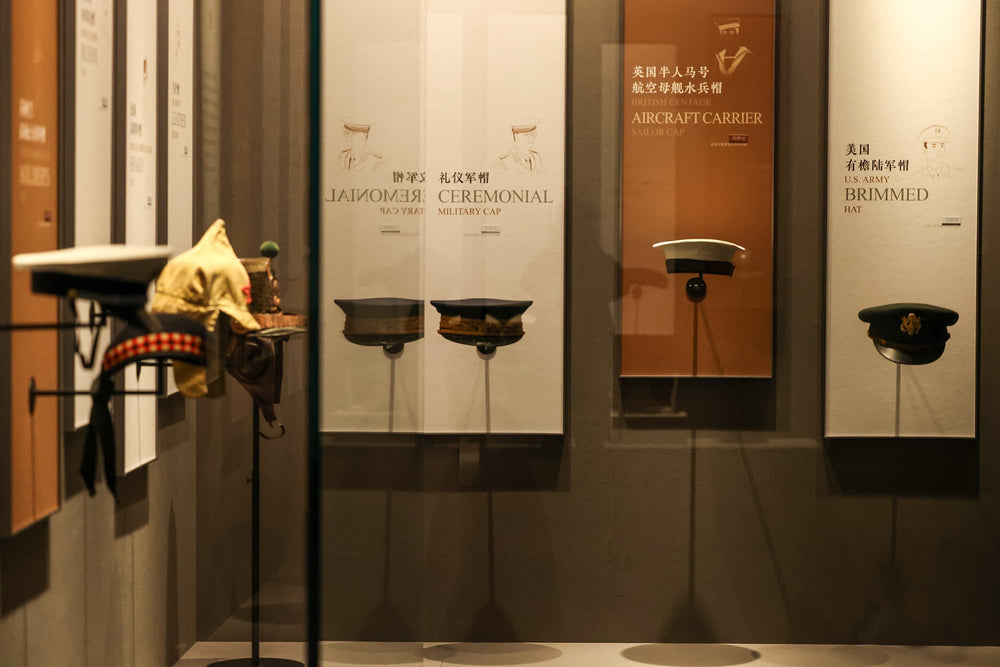
Military, academic and occupational hats demonstrate how headwear continues to communicate profession, responsibility, achievement and belonging.

Many of these objects carry personal stories, including pieces donated by visitors and long-term partners of the museum.

Structure is separate from height. Buckram interfacing controls rigidity: heavier (1.0–1.2mm) holds shape through years; lighter (0.5–0.7mm) softens gracefully over time.

A LIVING DESIGN RESOURCE

Where Cultural Knowledge Becomes Product Intelligence

The museum gives Foremost designers direct access to historic silhouettes, proportions, materials, construction methods and decoration techniques.

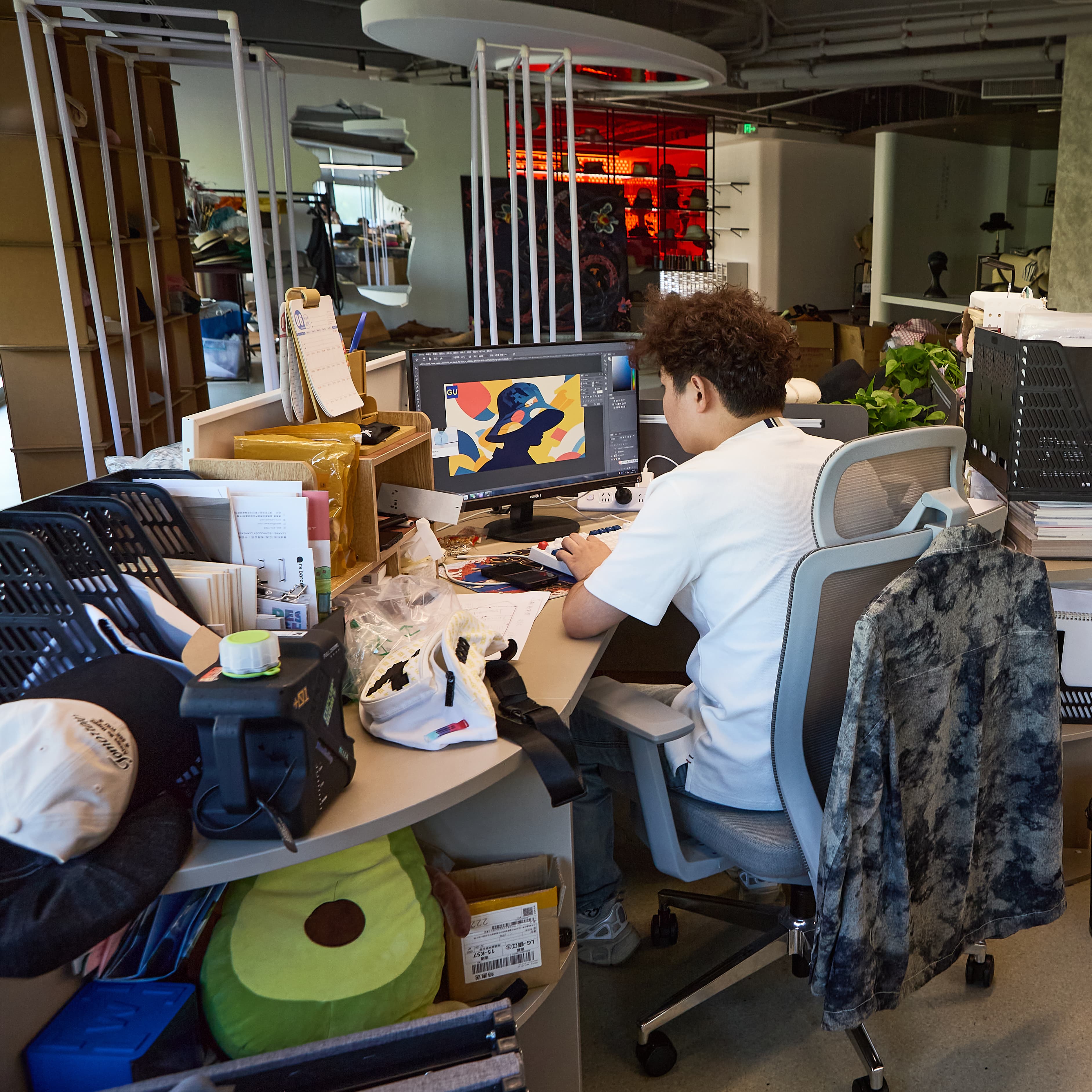
Our designers study these references, identify ideas relevant to contemporary markets and explore them through sketching, material trials and sampling. Collaboration with universities and cultural institutions brings additional research and new perspectives into the process.

For our customers, the result is a broader design vocabulary and a product team that understands headwear beyond the latest trend.

Archive → Research → Material Study → Sampling → New Headwear

CRAFT IN MOTION

Preserving Skills By Putting Them to Work

Craft survives when its knowledge remains visible, useful and open to new interpretation. The museum studies how materials and techniques have evolved—and how they can continue responsibly.

Shaped By Hand, Across Generations

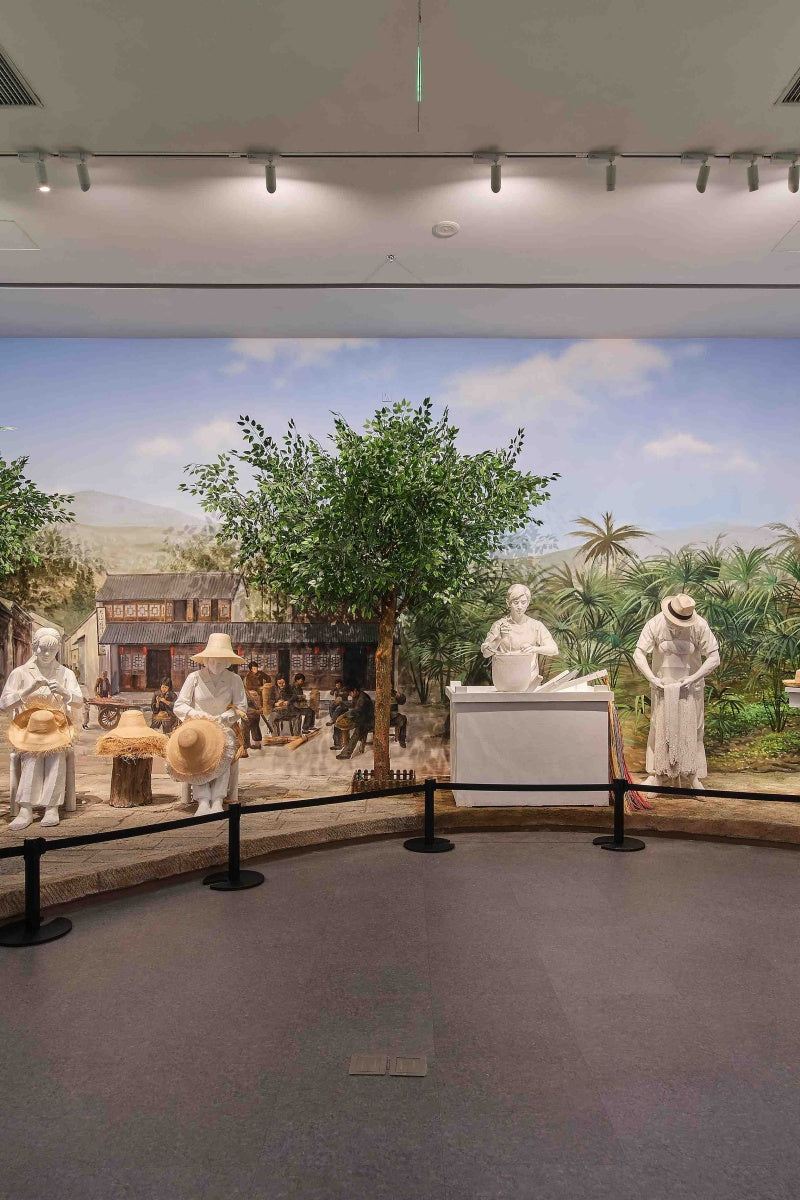
From traditional Chinese straw braiding to Ecuadorian toquilla weaving, straw hats carry generations of knowledge about climate, natural materials and hand construction.

The museum preserves examples of these traditions while Foremost continues to study their structure, finish and relevance to contemporary headwear.

Traditional Beauty, Responsibly Reinterpreted

Historic kingfisher-feather decoration is known for its distinctive blue colour and intricate surface. To study its visual language without relying on protected wildlife, Foremost designers work with alternatives such as dyed goose feathers, peacock feathers and textile materials.

The result preserves the discipline and visual character of the technique while giving it a responsible contemporary expression.

New Work From What Remains

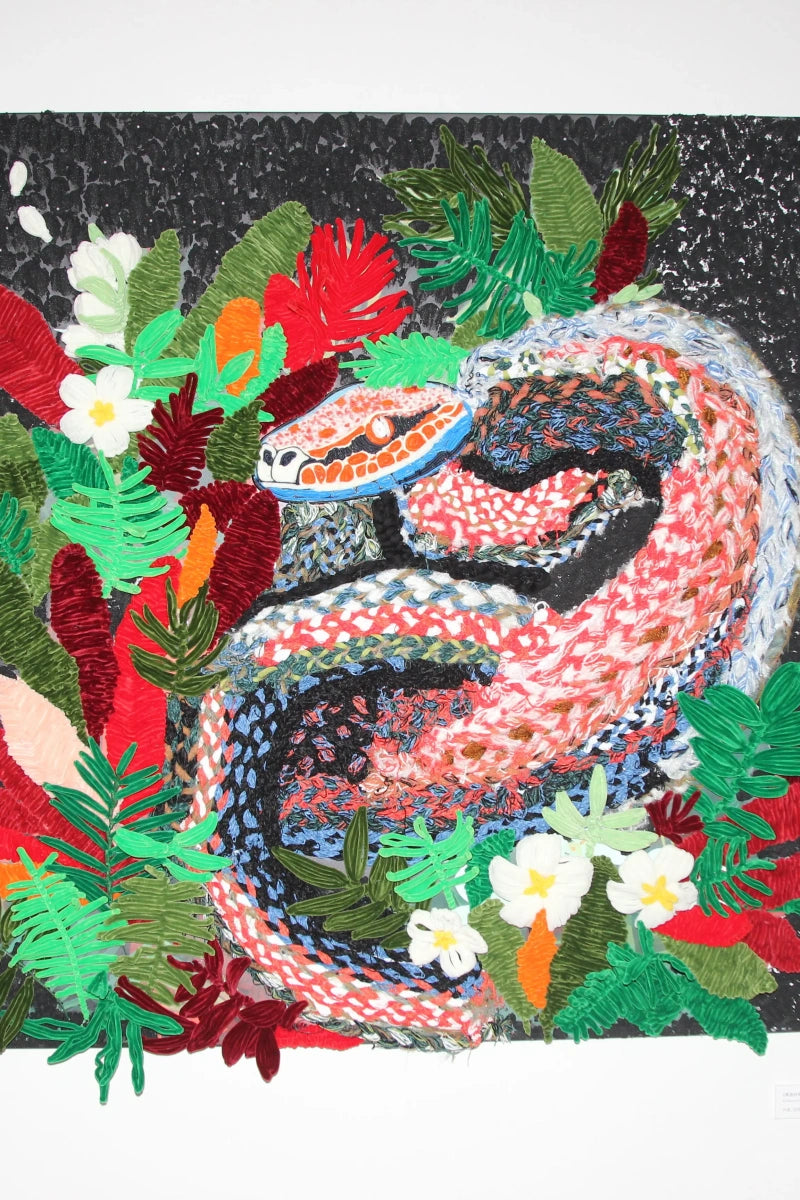
Textile offcuts from hat production are transformed into zodiac artworks by Foremost designers. Each piece extends the life of existing materials while encouraging experimentation beyond commercial production.

The continuing series shows how material awareness, craft and cultural expression can grow from the same workshop.

THE 101 INITIATIVE

Collecting Today for Tomorrow

A museum should document the present as carefully as it preserves the past. The 101 Initiative collects and studies the materials, designs and cultural expressions being created today—so future generations can understand how headwear continued to evolve in our time.

Why 101? One hundred suggests completion. One hundred and one marks the next beginning: another experiment, another discovery and another reason to keep moving forward.

OPEN KNOWLEDGE

A Place To Study, Share And Make

The Foremost Hat Museum welcomes visitors, students, designers and industry professionals to explore headwear through exhibitions, digital archives, educational programs and collaborative research.

By opening the collection to different audiences, the museum helps historical knowledge move beyond the display case—into classrooms, design studios, workshops and new conversations about the future of headwear.

Visit the Museum. Build What Comes Next

Explore more than 7,000 objects and discover how headwear connects history, craft, culture and contemporary design. Admission to the Foremost Hat Museum is free.

For brands, importers and trade partners, the museum also offers a closer look at the cultural research and design knowledge behind Foremost product development.