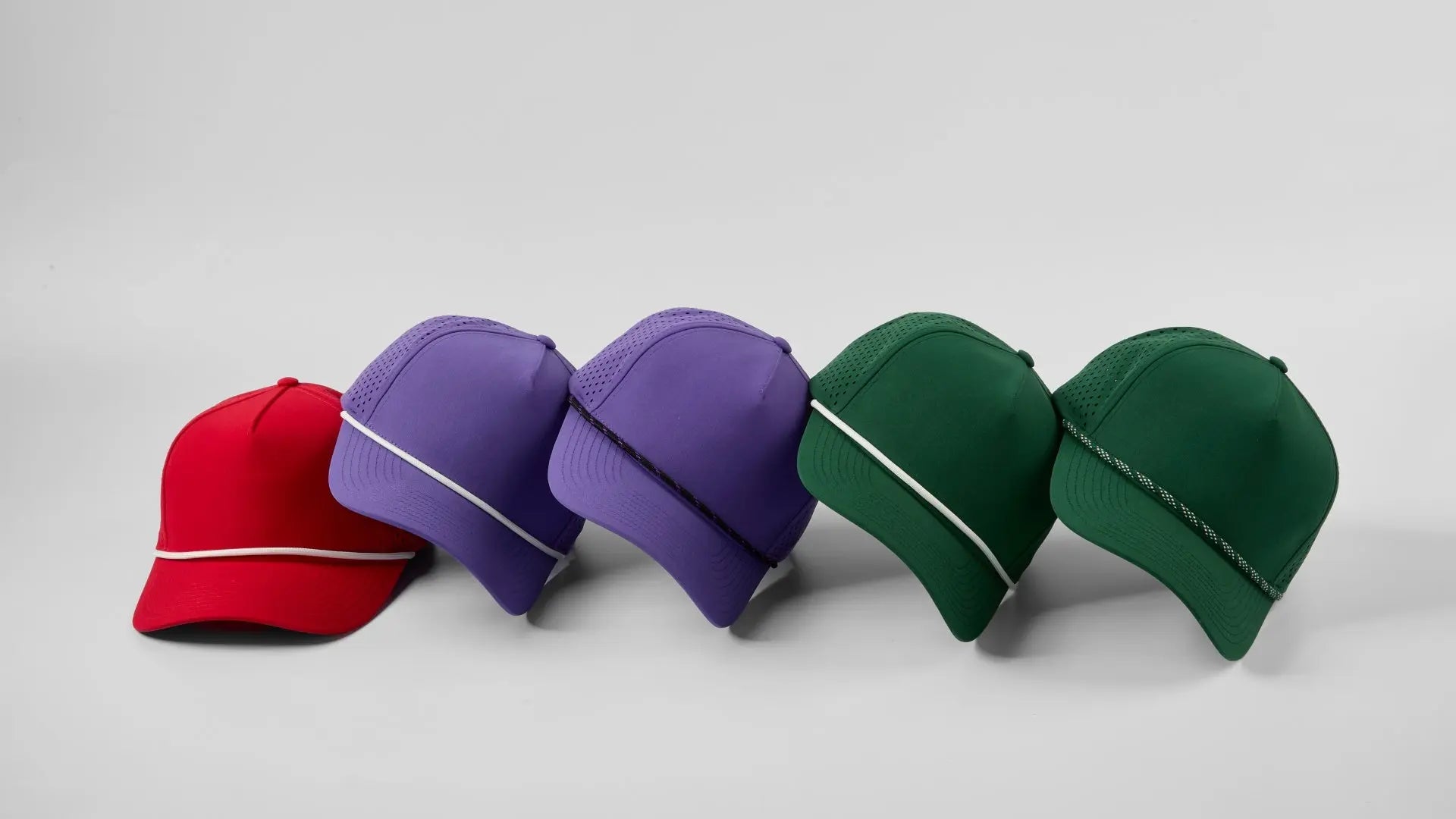
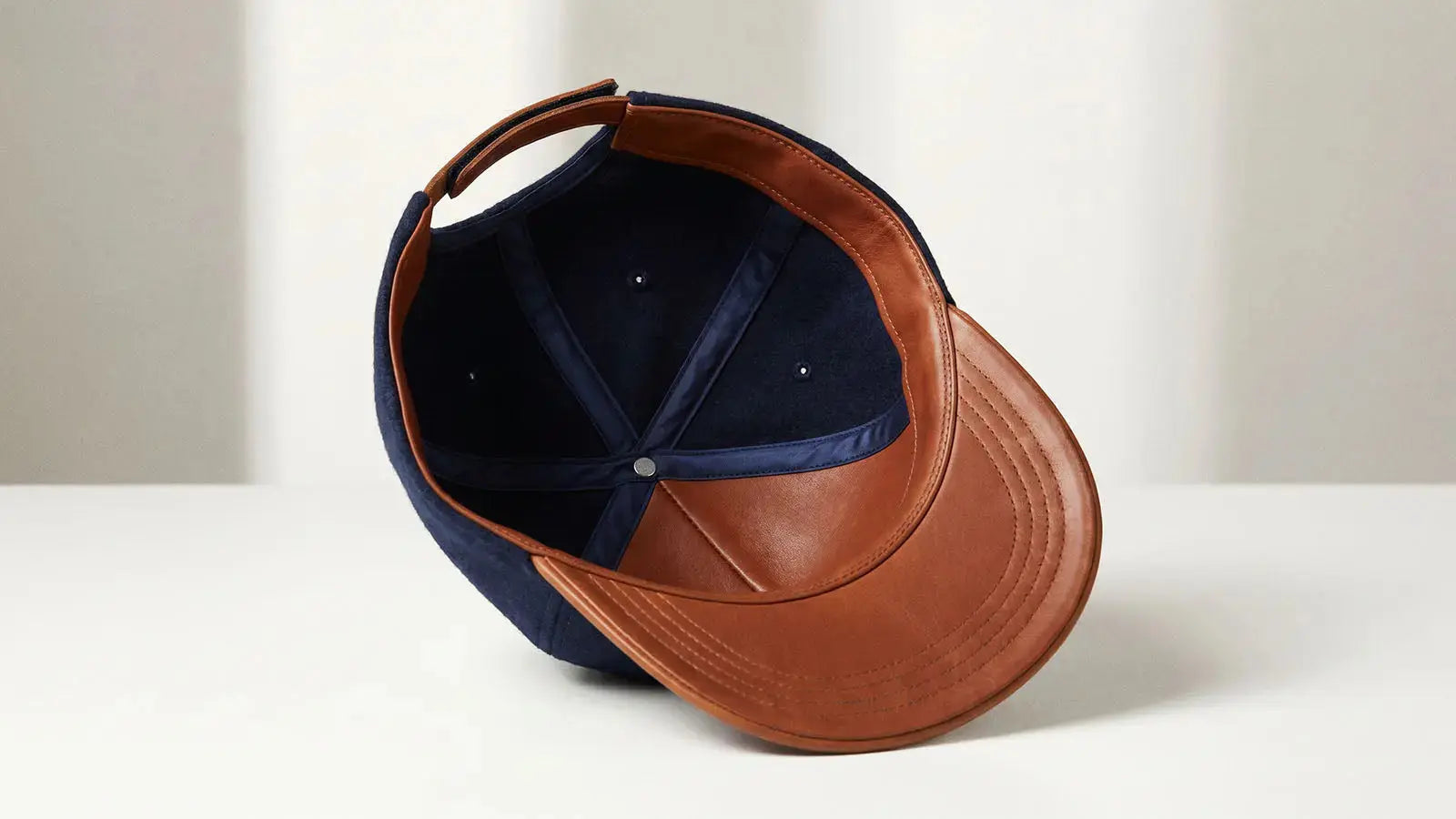
Details define a brand's ceiling. Fabrics can be matched, silhouettes approximated — but a well-crafted Custom Metal Hat Labels delivers an unmistakable brand signal the moment a customer picks up the hat. It isn't decoration. It's quality made tangible.
🔽 Quick Navigation
- 📌 Why Metal Labels Are Having a Moment in Hat Design
- 📌 Types of Custom Metal Hat Labels: Plates, Pins, Rivets and More
- 📌 Material and Finish Options: Brass, Zinc Alloy, and Beyond
- 📌 Where to Place a Metal Label on a Hat: Placement Strategies That Work
- 📌 Pairing Metal Labels with Other Customisation Techniques
- 📌 What to Consider When Ordering Custom Metal Hat Labels in Bulk
- 📌 A Single Metal Logo Pin — The Quiet Signal of Where a Hat Brand Truly Stands
- ❓FAQ
Why Metal Labels Are Having a Moment in Hat Design

- Touch. Metal conveys certainty. The moment a customer feels a weighty, textured label, they instinctively read the hat as "seriously made." This judgment lands in fractions of a second — before they've even registered the logo.
- Visual. Metal photographs well. In a social-media-driven purchase environment, product imagery drives decisions. Embroidery can fall flat in a lay-flat shot; a brushed brass or antique silver label catching natural light elevates the entire image by a full grade.
- Durability. Metal wins. Woven labels fade, PVC patches peel — zinc alloy or brass labels routinely outlast the hat itself. For brands, that means a longer lifespan of physical exposure.
This is why more and more brands, when planning their custom logo hats, are treating metal labels as a standard spec — not an add-on.
Types of Custom Metal Hat Labels: Plates, Pins, Rivets and More

- Flat Plate — The most common form. Rectangular, oval, or die-cut to the logo's silhouette, secured by rear prongs bent through the fabric, or alternatively by screws or stitching. Best suited to hats with flat, structured panels — Baseball Caps, Snapbacks, and Dad Hats — where low panel flex keeps the label flush and stable.
- Rivets & Studs — Small, functional, and at home in workwear, military, and streetwear aesthetics. Can serve a purely decorative role or double as reinforcement at ventilation holes, brim seams, or adjuster attachment points.
- Pin-back Badge — Removable; useful for limited editions or situations requiring flexible logo swaps. Less secure on soft-brim or unstructured styles.
- Die-cut Shape — Mold-cast to the brand's exact silhouette for maximum recognizability. A custom die is required — a fixed upfront cost that spreads thinner the higher the volume.
All types can be fitted with a PU foam backing, cushioning the pressure between label and fabric to prevent distortion or abrasion.
Material and Finish Options: Brass, Zinc Alloy, and Beyond

Material
- Zinc alloy: Lower cost, high die-cast precision, stable plating adhesion — the standard choice for most custom projects.
- Brass: Denser, heavier, and more premium in feel — suited to brands pursuing a high-end or artisanal positioning, at a higher price point.
Surface Finish
Plating determines the final tone and character:
- Bright gold / Brushed gold — Warm; pairs well with navy, black, and camel fabrics
- Silver / Nickel — Versatile; suits modern or tech-oriented brands
- Antique brass / Antique silver — Aged feel; common in outdoor and heritage workwear brands
- Gunmetal / Black nickel — Strong industrial edge; high contrast against light-colored hat bodies
- Rose gold — Fashion-forward; growing fast in lifestyle and women's products
For brands that need to retain brand colors, Paint Fill is available with Pantone-matched precision — no need to convert logo colors into metallic tones.
Where to Place a Metal Label on a Hat: Placement Strategies That Work

Front panel
The most prominent position, equivalent to a front embroidery logo. Requires a flat, structured panel with firm interlining. Five-panel hats have a center seam — the label design should either span it intentionally or avoid it altogether.
Side panel
Increasingly popular in streetwear and fashion-forward designs. A small label on the left or right reads as "detail" rather than "logo statement" — ideal for brands that want presence without declaration.
Rear closure area
Often overlooked, but effective. A metal label set into the leather or webbing around the adjuster acts as a design finish without competing with the front.
Underside of brim
A "brand Easter egg" revealed only when the hat comes off. Common in premium styles; positioned as a signature rather than a logo display.
Brim edge
Small studs or rivets running along the outer brim read as structural detail. Works well on Trucker Hats, Bucket Hats, and western-style designs.
Pairing Metal Labels with Other Customisation Techniques

Foremost offers embroidery, printing, patches, and more — all compatible with metal labels.
- Metal + embroidery — The most common pairing. Front embroidery carries the main visual; a metal label on the side or closure acts as secondary branding. Each technique holds its own zone, with clear hierarchy.
- Metal + leather patch — Strong handcrafted character. The leather patch takes the primary logo; metal rivets or a small label finish the crown or closure. Particularly effective on Trucker Hats and Dad Hats with an outdoor or artisanal feel.
- Metal + woven label — Inside and outside, each doing its job. The interior woven label handles brand story and care instructions; the exterior metal label handles visual recognition. Two touchpoints, zero overlap.
- Metal + PVC patch — Hard metal against flexible rubber creates deliberate material tension. Suited to streetwear brands chasing an experimental edge.
One principle worth keeping: limit any single hat to three techniques or fewer. Beyond that, the design starts to feel crowded — and the craft disappears.
What to Consider When Ordering Custom Metal Hat Labels in Bulk

Mold cost vs. unit price
Die-cut shapes require a custom mold — a one-time fixed cost. At low quantities it weighs heavily on unit price; at scale it becomes negligible. Until the design is finalized, start with standard shapes (rectangular, oval), then consider die-cutting once confirmed.
Attachment method compatibility
Prong-through works well on woven fabrics but can damage knit materials. Screw fixings require access from inside the hat; sewn attachment needs sufficient seam allowance. For knit styles like Beanies, confirm a viable attachment method with the manufacturer before proceeding.
Plating durability
Insufficient plating thickness leads to oxidation and peeling with regular use and washing. Before ordering, confirm plating thickness and whether a protective lacquer topcoat is applied — this significantly extends plating life, and is especially critical on brass and gold finishes.
Sample before bulk
Physical samples and digital renders can differ in color, feel, and fit. Always approve a physical sample before bulk production — factor the sampling lead time into your overall schedule.
MOQ alignment
Hat and label MOQs rarely align — die-cut metal labels typically carry minimums well above the hat order quantity. Coordinate both sides early to avoid production mismatches.
A Single Metal Logo Pin — The Quiet Signal of Where a Hat Brand Truly Stands
A custom metal label is a brand decision, not just a craft choice. Small in size, but dense in signal — material weight, production precision, a brand's attitude toward detail.
If you're planning your next run of custom logo hats, put metal labels on the design checklist alongside embroidery, silhouette, and fabric — not as an afterthought. Because what details decide, more often than not, is where your entire brand sits in the customer's mind.
❓Metal Hat Label FAQs: Your Questions, Answered
Q1: Can metal labels be added to any hat style?
Structured styles — Baseball Caps, Trucker Hats, Snapbacks, Dad Hats — work best. Beanies and soft Bucket Hats need alternative attachment; prong-through distorts thin knit fabric. Use sewn or lightweight pin-back instead.
Q2: Do metal labels affect washing?
Yes. Hand wash or spot clean only — machine washing accelerates oxidation. For high-frequency use, specify a durable lacquer finish and include care instructions.
Q3: Can metal labels include color?
Yes. Paint fill or enamel supports any color with Pantone precision — ideal for brands needing to retain exact brand colors.
Q4: How much more do they cost than woven labels or PVC patches?
Unit cost is higher, especially at low quantities. The gap narrows at scale. The real case for metal isn't price — it's positioning. The quality premium it communicates is something woven labels and PVC can't replicate.