what if you're not just looking to slap a logo on something, but want to build an actual private label hat line that genuinely belongs to your brand — from choosing the blank cap all the way to packaging it for sale? That question usually marks the moment a brand is moving from "selling logoed merch" to "building a real product line," and it's a jump a lot of brands go through with some confusion.This guide breaks down private label hats from start to finish, walking through the key decisions between picking a product and reaching bulk production, so you can skip some of the common mistakes brands make the first time around.
🔽 Quick Navigation
- 📌 What "Private Label" Actually Means for Hats
- 📌 Private Label vs Simple Logo Customisation
- 📌 Picking the Right Blank Cap Comes First
- 📌 Choosing a Logo Customisation Method
- 📌 Moving From a Small Test Batch to Bulk Production
- 📌 Packaging and Brand Presentation Details
- 📌 Core Tips for Building Your Private Label Hat Line
- ❓FAQ
What "Private Label" Actually Means for Hats
 Private label hats means starting from a proven blank cap style and layering on your own logo design, exclusive colourways, and often custom interior labels and packaging, to build a product line that genuinely belongs to your brand — rather than simply putting a logo on a generic style. Compared to plain logo customisation, private label gives a brand far more control, and the finished product reads with more recognisability too: the customer holding it feels like they're holding a full brand experience, not a generic cap with a sticker on it.
Private Label vs Simple Logo Customisatio

Simple logo customisation usually means adding your logo to a standard style in a standard colourway — quick turnaround, lower minimum order thresholds — and fits one-off or periodic needs like team workwear or event merchandise well; the Custom Caps page outlines that scope of service.
Private label involves choices across more of the product — fabric, colourway, interior label, hangtag and packaging can all be tailored to your brand's tone — with a longer lead time, but the output is a genuine product line you can keep selling and iterating on.
Our earlier sports brand hat customisation guide actually covers this more systematic, brand-building approach in more depth. The quick way to decide: if you just need your logo represented for one event or team order, simple customisation is enough; if your goal is a repeatable, sellable product line with real repeat purchase, private label is worth the extra investment.
Picking the Right Blank Cap Comes First

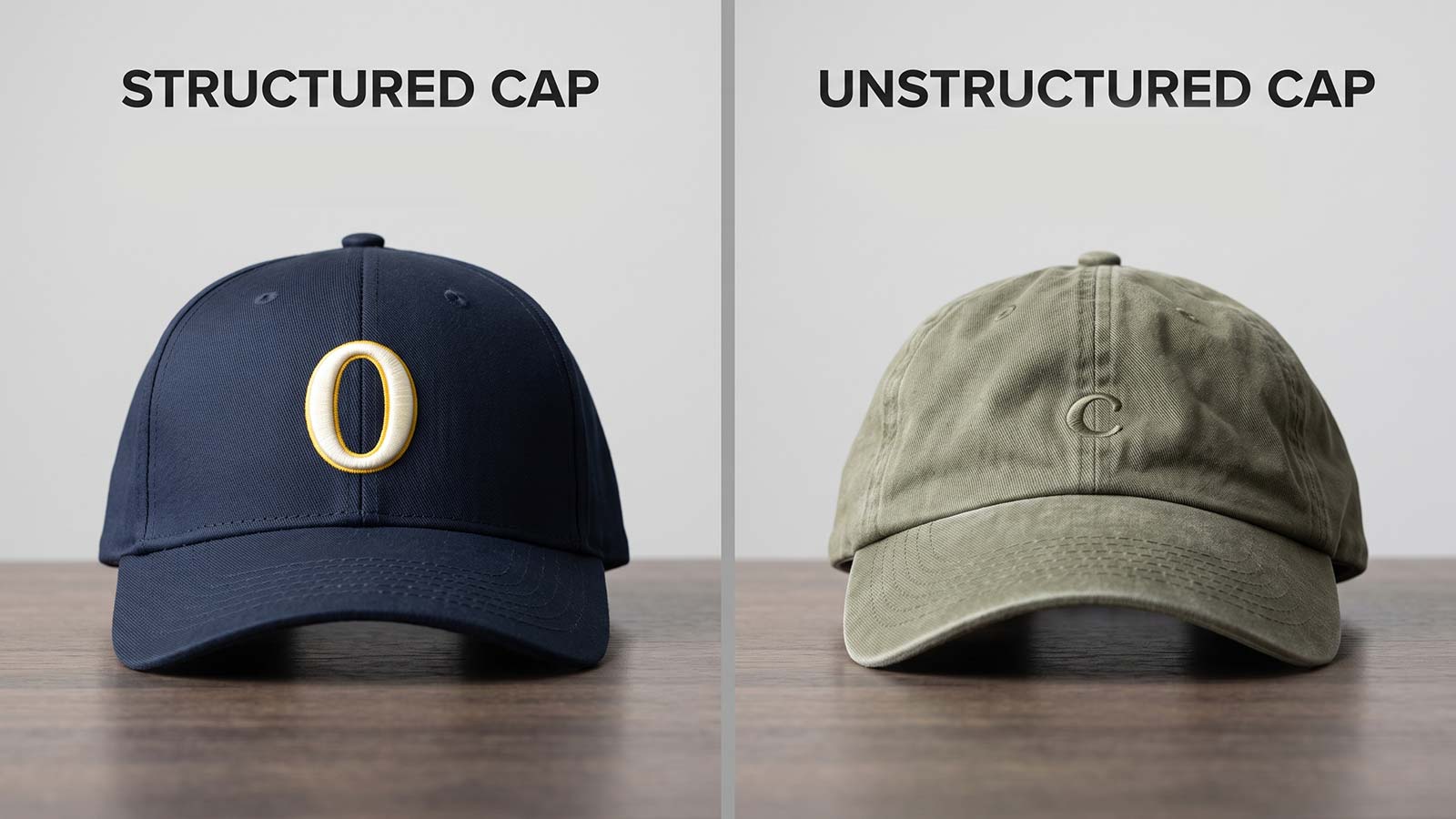
The first step in going private label is always choosing the right blank cap style — not jumping straight to logo technique. Different constructions (structured, unstructured, flat bill, curved bill) communicate completely different brand tones, and if you get the base style wrong, no amount of logo or packaging polish will fully fix the overall impression. This is exactly why we always recommend putting product selection at the very front of the private label process, rather than locking in a customisation plan and circling back to adjust the cap style later. The Caps&Hats collection is a good place to start browsing current base styles, matched against your target audience and use case before moving into customisation.
Choosing a Logo Customisation Method
Once the blank cap is settled, how the logo is applied is the core driver of recognisability for a private label product. Embroidery has strong dimensionality and durability, making it the default choice for most private label products; print reproduces detail better if your logo has richer colour gradients; and if budget allows, leather patches or woven labels can push the finished product's feel and recognisability even further. These finishing details tend to matter more on a private label product than on a simple logo-customised one, since how a product feels in the hand is a real signal customers use to judge how much thought a brand has put in. The Custom Logo Service page goes into more detail on cost and lead time across techniques.
Moving From a Small Test Batch to Bulk Production

For a brand doing this for the first time, committing to a large bulk order right out of the gate isn't the safer path. A more sensible approach is testing market response with a small batch first — how to split the budget, what to save on and what not to skimp on — the logic we walked through in our custom logo hats budget guide applies just as well to a first private label test run. Once style, colourway, and logo approach have all been validated by real demand, scale up production gradually; production timelines and capacity planning for that stage are worth checking on the manufacturing capabilities page. This keeps trial-and-error cost under control and means every reorder is grounded in real data rather than a hunch.
Packaging and Brand Presentation Details

Brands developing a private label line often pour all their attention into the cap itself, overlooking details like interior labels, hangtags, and packaging boxes — details that carry just as much brand recognisability. A consistently designed interior label lets the wearer feel the completeness of the brand even while wearing it; thoughtfully designed hangtags and packaging directly shape how the product reads on an e-commerce listing and in the unboxing experience. Small details like these, taken together, are exactly what customers use to judge whether a brand is "the real thing."
Core Tips for Building Your Private Label Hat Line
Slapping a logo onto a blank cap only adds brand marking, while private labeling empowers you to build a genuine brandowned headwear line. Every stage — from selecting blank silhouettes and logo decoration methods, to running smallbatch market tests and refining retailgrade details like inner labels and hang tags — shapes how customers perceive your brand. Always confirm preproduction samples, start with trial runs to limit risk, and scale production based on realworld market feedback.
❓FAQ
Q1: Is the minimum order quantity much higher for private label than for simple logo customisation?
Generally yes — private label involves more customised elements (exclusive interior labels, packaging), so the minimum tends to sit a bit higher than plain logo customisation. It's worth confirming the exact figure for your target style and technique combination directly with your supplier, since it can vary by factory.
Q2: How many SKUs should I start with on a first private label line?
Focus on developing one or two core styles thoroughly rather than spreading a limited budget across several SKUs at once. Expand the line once your core style has been validated with real market feedback, rather than diluting effort and capital too early.
Q3: Can interior labels and hangtags be customised independently of the cap itself?
Yes — interior labels, hangtags, and packaging boxes are typically all customisable independently. It's worth confirming design file requirements and the sampling process with your supplier in advance to avoid rework from formatting mismatches.
Q4: How long does sampling usually take for a private label order?
It varies depending on how many customised elements are involved, and generally runs a bit longer than for simple logo customisation. Build extra time into your launch timeline for sample approval and revisions, especially if multiple rounds of interior label or packaging sampling are involved.