I. Introduction:The Future of Hats Is Sustainable
The fashion industry, long criticized for its environmental footprint, is undergoing a green transformation — and hats are at the forefront. As eco-conscious consumers demand sustainable fashion, hats made from eco-friendly materials are quickly becoming a stylish symbol of change. In this guide, we explore how sustainable hat materials are redefining headwear and shaping a greener future for fashion.
II. Why Sustainability in Fashion Matters More Than Ever
Global awareness around fashion's environmental impact has surged. A 2023 Nielsen study revealed that 66% of shoppers worldwide are willing to pay more for sustainable products.
New regulations like the EU's Green Deal and certifications like GOTS (Global Organic Textile Standard) are pushing brands to rethink how they source and produce.
Sustainable practices are no longer optional — they're expected.
Quick Fact: Brands that embrace transparency and eco-friendly production are seeing stronger consumer loyalty and higher engagement.
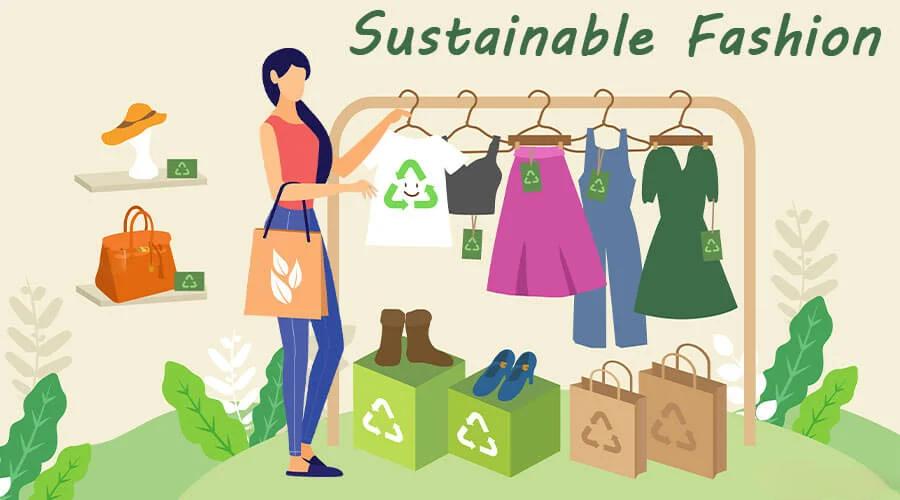
III. Game-changing Eco-friendly Materials for Hats
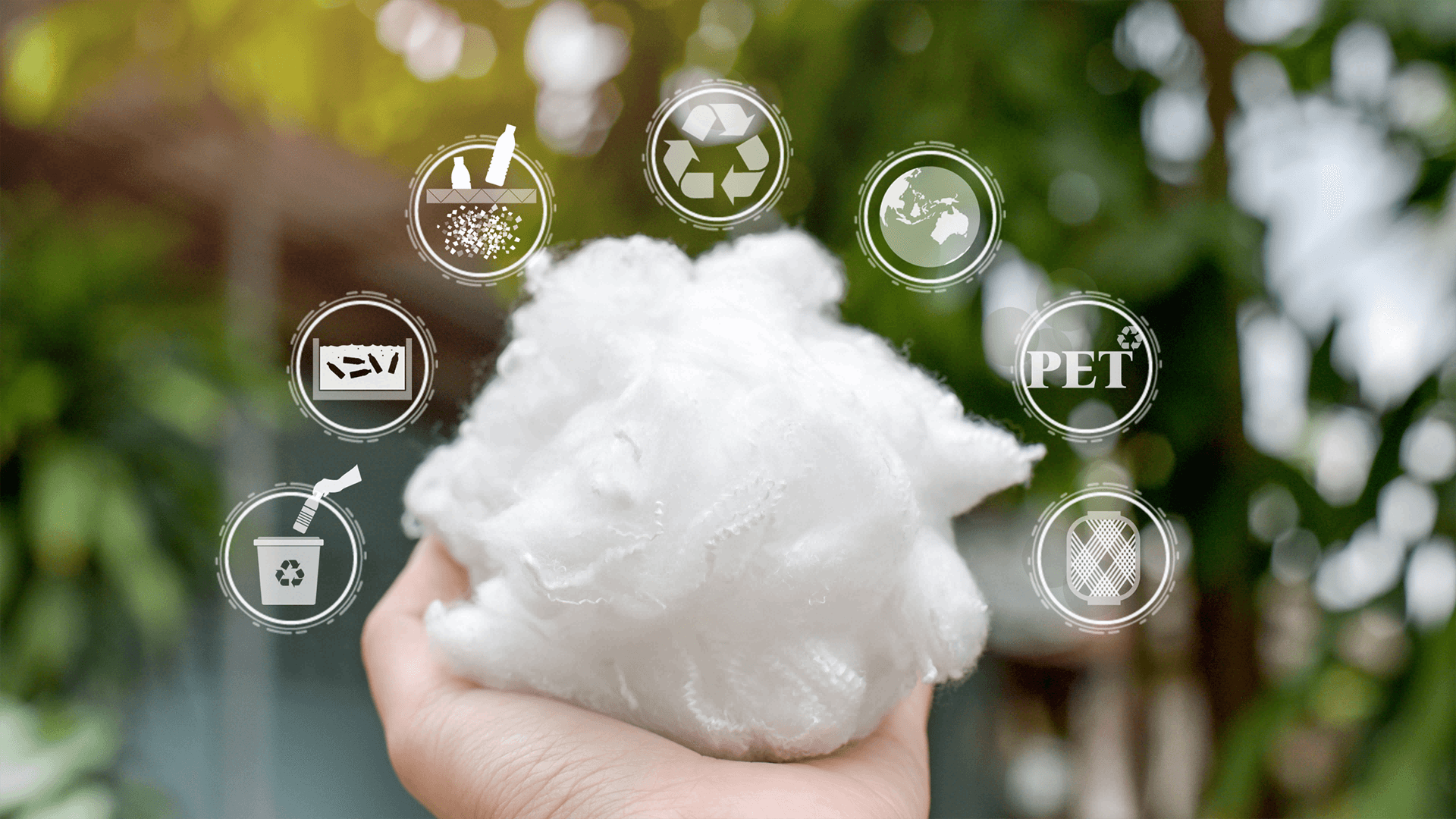
A. Recycled Fabrics: Turning Waste into Style
Recycled polyester hats, crafted from plastic bottles, cut emissions by 59% compared to virgin polyester (Textile Exchange[1]) .
Upcycled denim hats breathe new life into discarded materials, creating unique, rugged styles.
Leading brands:
Patagonia — recycled trucker hats[2]
Outerknown — eco-upcycled headwear[3]
B. Organic Cotton: The Breathable, Chemical-Free Choice
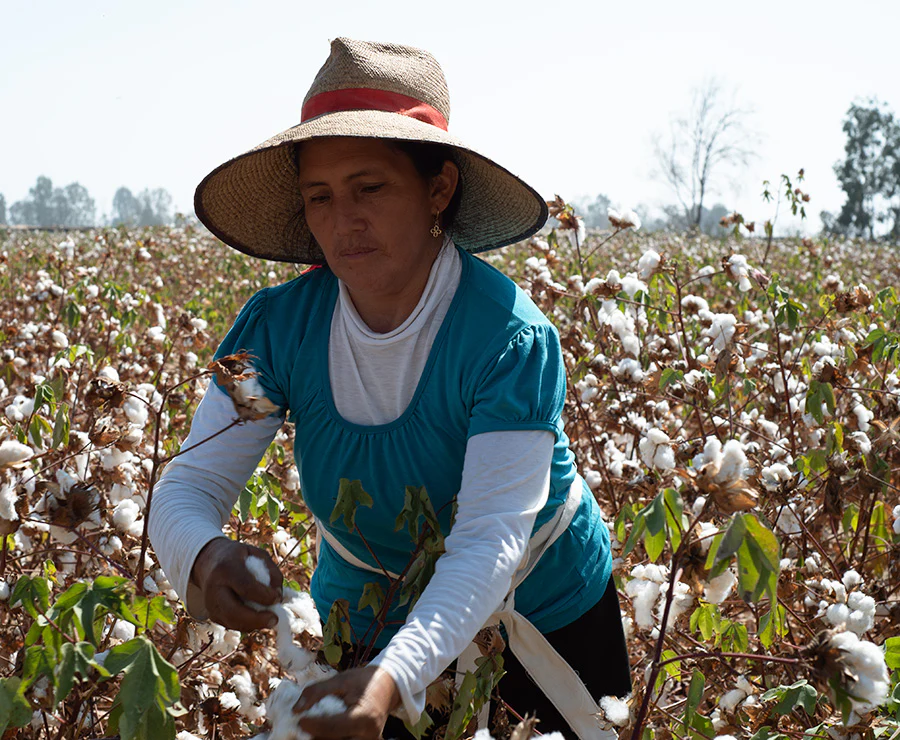
Organic cotton hats use up to 71% less water than conventional cotton (Soil Association[4]) and are free from harmful pesticides. They offer superior comfort, breathability, and durability.
Brands to know:
Tentree — sustainable beanies and caps[5]
Thought — organic cotton fashion hats[6]
Tip: Look for GOTS-certified[7] organic cotton for guaranteed eco standards.
C. Plant-Based Innovations: The New Frontier
From Piñatex hats made from pineapple leaves to hemp bucket hats that thrive without pesticides, plant-based materials are revolutionizing hat design.
Other materials gaining traction:
Cork hats
Bamboo fiber hats
Mushroom leather caps
Recommended brands:
Cork & Co. — cork fashion hats[9]

IV. How Eco-friendly Materials Are Changing Hat Design
Sustainable materials encourage minimalist, nature-inspired aesthetics. Expect earthy colors like sage green, oatmeal, and terracotta.
Many designs now emphasize handcrafted quality — think handwoven bamboo hats or embroidered organic caps — blending eco-consciousness with artisanal beauty.
Pro Tip: Hats made with natural textures are highly Instagrammable, enhancing brand storytelling.

V. Sustainable Hats Are Shaping the Fashion Industry
From ethical newcomers like Pangaia to global giants like Adidas and Stella McCartney, brands are racing to include eco-friendly headwear lines. Sustainable hats are no longer niche — they're mainstream.
Small brands = authenticity and innovation
Big brands = scalability and mass impact
Consumers are voting with their wallets, proving that style and sustainability can go hand-in-hand.
VI. Challenges Ahead — And Exciting Innovations
Sustainability isn't without hurdles: higher costs, scaling responsibly, and combating greenwashing. However, breakthroughs like biodegradable hats and regenerative agriculture hint at a bright future.
Emerging trends to watch:
Lab-grown sustainable fibers
Zero-waste hat manufacturing
Closed-loop production systems

VII. Conclusion: Top It Off — Sustainability
The next time you shop for a hat, look beyond style — check the label for recycled, organic, or plant-based materials. By choosing eco-friendly hats, you’re making a fashion statement and a planet-positive impact.
The future of hats is green, stylish, and built to last. Let’s top it off sustainably!
Looking for truly eco-friendly hats? We are your one-stop sustainable solution from fabric design to finished hats. Contact us today to create your eco-friendly collection!
FAQ: Sustainable Hat Materials and Eco-Friendly Headwear
What are sustainable hat materials?
Sustainable hat materials are eco-friendly fabrics and fibers designed to reduce environmental impact. Common examples include recycled polyester, organic cotton, hemp, bamboo, cork, and plant-based leather alternatives.
Why are eco-friendly hats becoming popular?
Eco-friendly hats are becoming popular because consumers increasingly care about sustainability, ethical sourcing, and lower-impact fashion. They allow people to choose headwear that combines style, comfort, and environmental responsibility.
Is recycled polyester good for hats?
Yes, recycled polyester is a practical material for hats because it gives new life to plastic waste while offering durability, lightweight comfort, and strong performance for casual and outdoor headwear.
What makes organic cotton hats sustainable?
Organic cotton hats are considered sustainable because organic cotton is grown without harmful synthetic pesticides and is often produced under stricter environmental standards. It is breathable, soft, and suitable for everyday wear.
What plant-based materials are used in hats?
Plant-based hat materials include hemp, bamboo fiber, cork, pineapple leaf fiber, and mushroom-based leather alternatives. These materials support natural textures, lightweight comfort, and lower-impact design.
How do sustainable materials change hat design?
Sustainable materials often encourage natural textures, earthy colors, minimalist design, and handcrafted details. This gives eco-friendly hats a distinctive look that blends fashion with environmental values.
How can I choose an eco-friendly hat?
Choose an eco-friendly hat by checking the material label, looking for recycled, organic, or plant-based fibers, and considering certifications such as GOTS for organic cotton. Durability and responsible production are also important.