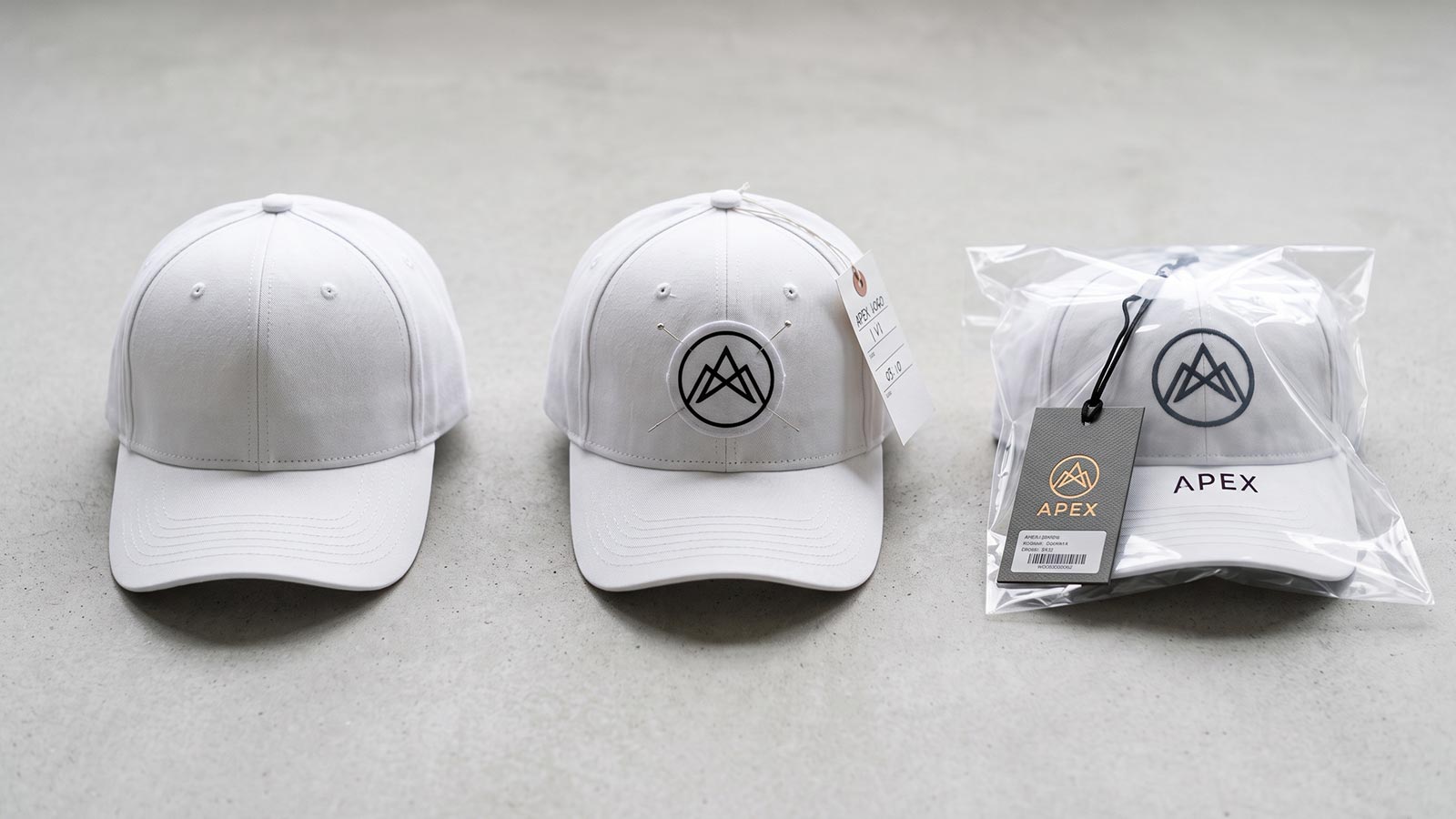
When brands shop for baseball caps, the first instinct is usually to focus on colour and logo technique — and the more fundamental decision that actually shapes the finished look often gets overlooked: should the crown be structured or unstructured? It sounds like a purely construction-level detail, but it directly determines the cap's silhouette on the head, how the logo reads on the front panel, and even the first impression the cap gives about your brand's tone.
This guide breaks down the core differences between structured and unstructured crowns, and connects it to our earlier piece on flat bill vs curved bill hats — because crown structure and brim shape are two variables that shape a cap's overall tone together, not in isolation. A cap's final personality is never determined by a single choice.
🔽 Quick Navigation
- 📌 What a Structured Cap Actually Is
- 📌 What an Unstructured Cap Actually Is
- 📌 Structured vs Unstructured: Side-by-Side Comparison
- 📌 Matching the Profile to Your Brand's Tone
- 📌 Customisation Differences Between the Two
- 📌 Details Buyers Often Overlook
- 📌 There Is No Perfect Crown, Only the Right One for Your Brand
- ❓FAQ
What a Structured Cap Actually Is

A structured cap has buckram or a stiff backing built into the crown, holding the silhouette upright and full even after wear or storage, rather than collapsing or losing shape easily. That's exactly why fitted caps and many snapback styles read as more formal, more deliberate — a crisp crown itself signals "this was designed," and it tends to make the wearer look sharper too. Our Fitted Hats collection and Snapback Hats collection are the classic examples of the structured category, and they show up most often in official team merchandise and any context where brand recognition needs to be front and centre.
What an Unstructured Cap Actually Is

An unstructured cap removes that internal stiffening, so the fabric itself is softer and drapes naturally to the shape of the wearer's head, producing a looser, more casual silhouette. This construction has become especially popular with lifestyle brands over the past few years, mainly because it reads as more relaxed and less deliberately styled — it's also easier to pair with a wider range of outfits without looking forced. We wrote in depth about why blank dad hats remain a top seller, and the core logic there really comes down to this same relaxed, effortless silhouette — it happens to align perfectly with the current consumer taste for looking unbothered rather than overly polished.
Structured vs Unstructured: Side-by-Side Comparison

|
|
Structured Cap |
Unstructured Cap |
|
Crown silhouette |
Upright, full, clearly defined |
Soft, drapes naturally to head shape |
|
Visual tone |
Formal, present, athletic |
Casual, relaxed, lifestyle-oriented |
|
Typical categories |
Fitted, many Snapback styles |
Dad Hat, some Trucker Hats |
|
Packing & travel |
Should not be folded; holds shape |
Foldable, easier to carry and pack |
|
Common use case |
Team merchandise, formal brand pieces |
Everyday wear, lifestyle brands, event giveaways |
Matching the Profile to Your Brand's Tone

If your brand skews athletic or professional, or you're producing official merchandise for a team or event, a structured crown communicates a sense of professionalism and occasion better — the logo also reads with more visual depth on a full, upright front panel. If your brand leans lifestyle or streetwear, or your core audience is younger consumers in everyday, casual settings, an unstructured cap's relaxed tone tends to land better and often drives stronger repeat purchases, since it's more likely to get worn as a daily piece rather than a one-off event item.
It's also common for a brand to cover both use cases — official team kit and everyday retail. In that case, there's no need to force a single profile across the whole range: structured makes more sense for events and on-court moments where professionalism matters, while unstructured fits better in retail and daily-wear settings where repeat purchase matters more.
Customisation Differences Between the Two
The crisp, full front panel of a structured cap is the ideal canvas for 3D embroidery, since the internal support lets the stitching build up visible relief and gives the logo real weight and dimension. The softer crown on an unstructured cap suits flat embroidery or smaller print applications better — an overly large or heavily built-up 3D design can leave the crown looking uneven. For the full range of customisation methods and how sampling works for each, the Custom Logo Service and Custom Caps pages go into more detail on which techniques fit which profile.
Details Buyers Often Overlook
 Brands buying in bulk often judge crown profile purely from a mock-up render, overlooking differences in fabric weight and buckram material — two details that directly affect how crisp the finished cap looks and how comfortable it feels to wear. Even within the "structured" category, different factories use buckram of varying stiffness, and the finished result can look noticeably different. It's worth requesting a physical sample to try on before committing to a bulk order, rather than judging from a render or written spec alone — production timelines and delivery cadence are also worth checking in advance on the manufacturing capabilities page.
Another detail that's easy to miss is how the closure type affects the finished silhouette. Structured caps typically close with hook-and-loop, a metal buckle, or a rope tie, each of which creates a slightly different opening at the back, and each affects overall crown rigidity a bit differently; unstructured caps are more forgiving here, since closure type has less impact on overall shape. For team orders spanning multiple sizes, it's worth confirming with your supplier how the closure method affects the finished silhouette before placing a bulk order. Ultimately, there's no universally "better" profile — only the one that fits the actual use case for a given order, and getting that clear upfront makes every downstream decision on fabric, technique, and closure much easier.
There Is No Perfect Crown, Only the Right One for Your Brand
At the end of the day, structuredcrown and unstructuredcrown caps are neither superior nor inferior to one another. Rigid structured caps help build a professional, athletic brand image, while soft unstructured styles deliver a relaxed, laidback lifestyle vibe. Avoid treating crown shape as an isolated decision; always evaluate it alongside brim curve, logo decoration methods, usage scenarios and your target audience. Request preproduction samples before placing bulk orders, so you can test the silhouette and embroidery quality inperson and minimize unexpected results. If you are planning custom branded baseball caps, explore our custom cap collection to find headwear solutions aligned with your brand identity.
❓FAQ
Q1: Which profile works better for team workwear?
If the team wears the cap frequently and needs to pack it easily, unstructured tends to have better everyday adoption. If it's a formal team-branding piece worn at official appearances, structured usually delivers a cleaner, more consistent look.
Q2: Can an unstructured cap still be 3D embroidered?
Yes, but the effect is diminished. An unstructured crown has limited internal support, so a large 3D design can leave the crown looking uneven — it's better to keep the logo area smaller or switch to flat embroidery.
Q3: Will a structured cap lose its shape from shipping pressure?
Reputable factories generally use dedicated shaping and reinforced packaging for structured caps during shipping. Once received, it's worth handling and storing them as instructed rather than stacking them under weight for long periods.
Q4: Can I mix structured and unstructured caps in the same order?
Yes. Many brands split a single order across both profiles to cover formal and everyday use cases at once — it's worth confirming minimum order quantity and sampling schedule for each profile directly with your supplier.